


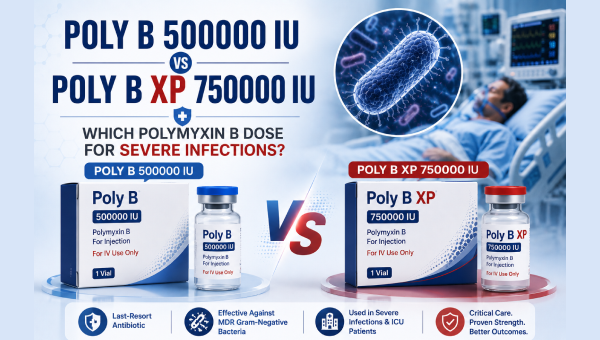




Poly B XP 750000 IU vs Poly B 500000 IU
Jun 25, 2026
Introduction
The growing prevalence of multidrug-resistant (MDR) bacterial infections has become a major challenge for healthcare systems worldwide. Many Gram-negative bacteria have developed resistance to commonly used antibiotics, making treatment increasingly difficult. In such situations, Polymyxin B has regained importance as a critical last-resort antibiotic used for managing severe and life-threatening bacterial infections.
Healthcare providers may prescribe different strengths of Polymyxin B depending on infection severity, patient characteristics, and hospital treatment protocols. Two commonly available formulations are Poly B XP 750000 IU and Poly B 500000 IU injections. Although both contain the same active ingredient, their dosage strengths differ and may influence treatment planning.
This Poly B XP 750000 IU vs Poly B 500000 IU comparison guide explains the key differences between these formulations, their clinical uses, dosing considerations, safety precautions, and factors physicians consider when selecting the most appropriate therapy. Understanding this Polymyxin B Dose Comparison can help patients and caregivers better understand treatment decisions while emphasizing the importance of professional medical supervision.
Understanding Polymyxin B Injection
What Is Polymyxin B?
Polymyxin B is a potent antibiotic primarily used to treat severe infections caused by Gram-negative bacteria. It is generally reserved for situations where other antibiotics have failed or when bacteria have developed resistance to multiple drugs.
How Does Polymyxin B Work?
Polymyxin B attacks the outer membrane of susceptible bacteria. By disrupting the bacterial cell membrane, it causes leakage of essential cellular contents, ultimately leading to bacterial death.
Why Is It Used for Severe Infections?
Polymyxin B remains valuable because of its effectiveness against many multidrug-resistant pathogens.
Key reasons for its use include:
-Broad activity against resistant Gram-negative bacteria
-Important role in ICU and hospital settings
-Critical option for combating antibiotic resistance
-Effective treatment for serious life-threatening infections
Poly B XP 750000 IU vs Poly B 500000 IU – Quick Comparison
| Feature | Poly B XP 750000 IU | Poly B 500000 IU |
| Active Ingredient | Polymyxin B | Polymyxin B |
| Strength | 750000 IU | 500000 IU |
| Dosage Form | Injection | Injection |
| Clinical Use | Severe MDR Infections | Severe MDR Infections |
| Administration | Hospital Use | Hospital Use |
Key Takeaway
Both products contain Polymyxin B and are used for severe multidrug-resistant bacterial infections. The primary difference is the strength per vial, which may affect dosing calculations and administration planning under physician supervision.
What Are Poly B XP 750000 IU and Poly B 500000 IU Used For?
Hospital-Acquired Pneumonia (HAP)
Hospital-acquired pneumonia can be caused by resistant bacteria that require advanced antibiotic therapy.
Ventilator-Associated Pneumonia (VAP)
Patients receiving mechanical ventilation may develop serious respiratory infections that require specialized treatment.
Bloodstream Infections
Severe bloodstream infections can rapidly become life-threatening and often require intensive antibiotic management.
Complicated Urinary Tract Infections
Certain resistant urinary tract infections may necessitate treatment with Polymyxin B.
MDR Gram-Negative Bacterial Infections
Polymyxin B is commonly used when standard antibiotics fail against resistant Gram-negative organisms.
Poly B XP 750000 IU vs Poly B 500000 IU: Key Differences
Difference in Strength
The primary difference lies in the amount of Polymyxin B contained in each vial.
- Poly B XP contains 750000 IU
- Poly B contains 500000 IU
This difference influences dosing calculations and treatment planning.
Dosing Flexibility
The lower-strength formulation may offer greater flexibility for certain individualized dosing regimens, while the higher-strength formulation may align with specific treatment protocols.
Patient-Specific Considerations
Factors such as body weight, infection severity, kidney function, and overall clinical status influence product selection.
ICU and Critical Care Usage
Both formulations are commonly used in intensive care settings where severe infections require close monitoring.
Which Patients May Require Poly B XP 750000 IU?
Severe MDR Infections
Patients with highly resistant bacterial infections may require physician-directed dosing strategies involving higher-strength formulations.
Critically Ill ICU Patients
ICU patients often require individualized treatment approaches based on infection severity and clinical response.
Cases Requiring Higher Daily Doses
Some treatment plans may benefit from higher-strength vials to support dosing efficiency.
Physician-Supervised Treatment Plans
Selection should always be guided by infectious disease specialists or treating physicians.
Which Patients May Be Prescribed Poly B 500000 IU?
Moderate-to-Severe Resistant Infections
Many severe infections can be effectively managed using the 500000 IU formulation under appropriate medical supervision.
Flexible Dose Adjustments
The lower-strength option may provide greater dosing flexibility in specific clinical situations.
Individualized Treatment Requirements
Healthcare providers may select this formulation when precise dose modifications are required.
How Is Polymyxin B Dosage Determined?
Body Weight
Weight-based dosing is often used to optimize effectiveness while reducing toxicity risks.
Type and Severity of Infection
More severe infections may require different dosing strategies.
Kidney Function Monitoring
Renal function plays a crucial role in treatment planning and monitoring.
Clinical Response
Patient improvement and laboratory results help guide ongoing treatment decisions.
Hospital Treatment Protocols
Hospitals often follow evidence-based guidelines when administering critical-care antibiotics.
Expert Note
Only qualified healthcare professionals should determine Polymyxin B dosing. Self-medication or dosage adjustment without medical supervision can be dangerous.
Benefits of Polymyxin B in Treating Severe Infections
Effective Against MDR Pathogens
Polymyxin B remains active against many resistant Gram-negative bacteria.
Last-Line Defense Against Resistant Bacteria
It serves as an important treatment option when other antibiotics are ineffective.
Proven ICU Use
Polymyxin B has long been utilized in critical-care settings for severe infections.
Supports Critical Infection Management
Its use can help control life-threatening infections when carefully administered and monitored.
Side Effects and Safety Considerations
Common Side Effects
| Common Side Effects |
| Kidney Toxicity |
| Nerve-Related Effects |
| Muscle Weakness |
| Injection Site Reactions |
| Dizziness |
| Tingling Sensation |
Monitoring Requirements
Patients receiving Polymyxin B typically undergo:
- Kidney function monitoring
- Neurological assessments
- Clinical response evaluations
- Regular laboratory testing
Risk Factors for Adverse Effects
Factors that may increase risk include:
- Existing kidney disease
- Advanced age
- Prolonged treatment duration
- Concomitant nephrotoxic medications
When to Seek Medical Attention
Contact a healthcare provider immediately if you experience:
- Difficulty breathing
- Significant muscle weakness
- Reduced urine output
- Severe allergic reactions
- Persistent neurological symptoms
Poly B XP 750000 IU vs Poly B 500000 IU – Which Is Better?
There Is No Universally Better Option
Many patients ask which formulation is superior. The answer depends entirely on the clinical situation.
Important considerations include:
- Dose selection depends on patient needs
- Infection severity matters
- Physician judgment is critical
- Treatment should follow susceptibility testing
- Clinical assessment guides therapy decisions
Key Takeaway
The best Polymyxin B strength is the one prescribed by the treating physician based on infection severity, patient condition, bacterial susceptibility, and treatment goals.
How to Buy Poly B XP 750000 IU and Poly B 500000 IU Online
Prescription Requirements
Both formulations require a valid prescription from a licensed healthcare professional.
Product Availability
Availability may vary depending on stock levels and supplier distribution.
Safe Online Purchasing Tips
- Buy only from licensed pharmacies
- Verify prescription requirements
- Check product authenticity
- Confirm storage and shipping practices
Hospital and Bulk Orders
Healthcare institutions may contact suppliers directly for bulk procurement requirements.
Why Choose Shabbir Medical Hall for Critical Care Medicines?
Trusted Healthcare Partner
- Established Since 1920
- Genuine Prescription Medicines
- Critical Care & Hospital Products
- Competitive Pricing
- Prescription Verification
- Dedicated Customer Support
- Nationwide Delivery
Need Poly B XP 750000 IU or Poly B 500000 IU?
Contact Shabbir Medical Hall for genuine critical-care medicines, prescription verification, product availability information, and professional assistance.
Conclusion
Both Poly B XP 750000 IU and Poly B 500000 IU are valuable treatment options for managing severe multidrug-resistant bacterial infections. The main difference lies in dosage strength rather than effectiveness. Choosing between these formulations depends on infection severity, patient characteristics, dosing requirements, and physician judgment. Proper monitoring, kidney function assessment, and adherence to hospital treatment protocols are essential to ensure safe and effective therapy. Patients should always follow the recommendations of qualified healthcare professionals and obtain these medicines through licensed pharmacies to support optimal treatment outcomes.
Frequently Asked Questions (FAQ)
1. What is the difference between Poly B XP 750000 IU and Poly B 500000 IU?
The primary difference is the amount of Polymyxin B contained in each vial. Poly B XP contains 750000 IU, while Poly B contains 500000 IU. Both formulations contain the same active ingredient and are used for severe bacterial infections. Physicians select the appropriate strength based on dosing requirements, infection severity, patient-specific factors, and hospital treatment protocols.
2. Which is stronger: Poly B XP 750000 IU or Poly B 500000 IU?
Poly B XP 750000 IU contains a higher concentration of Polymyxin B than Poly B 500000 IU. However, a higher strength does not automatically mean it is better for every patient. The choice depends on the prescribed dose, clinical condition, treatment goals, and physician assessment. Both formulations play important roles in managing severe multidrug-resistant bacterial infections.
3. What infections are treated with Polymyxin B injections?
Polymyxin B injections are commonly used for serious Gram-negative bacterial infections that may be resistant to standard antibiotics. These include hospital-acquired pneumonia, ventilator-associated pneumonia, bloodstream infections, complicated urinary tract infections, and other multidrug-resistant infections. Treatment is usually administered in hospitals under close medical supervision to ensure safety and effectiveness.
4. Can I buy Poly B injections online in India?
Yes, Polymyxin B injections may be purchased from licensed pharmacies in India after prescription verification. Because these medicines are used for serious infections and require professional monitoring, a valid prescription is generally mandatory. Patients and healthcare institutions should ensure they purchase from reputable pharmacies that provide genuine products and proper handling procedures.
5. Is Polymyxin B safe for long-term use?
Treatment duration depends on the type of infection, patient response, and physician recommendations. Long-term use may increase the risk of kidney toxicity and neurological side effects, which is why regular monitoring is essential. Healthcare providers carefully assess benefits and risks throughout therapy and may adjust treatment based on laboratory results and clinical progress.
6. How is the correct Polymyxin B dose selected?
Doctors evaluate multiple factors before determining the appropriate Polymyxin B dose. These include body weight, infection severity, kidney function, bacterial susceptibility testing, treatment response, and overall patient health. Hospital treatment protocols and infectious disease guidelines may also influence dosing decisions. Only qualified healthcare professionals should prescribe and adjust Polymyxin B therapy.
Recent Post
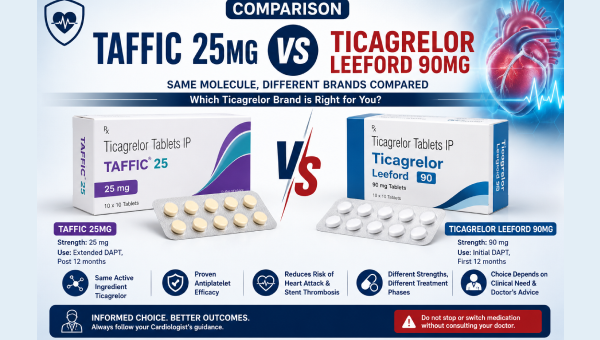
Taffic 90mg vs Ticagrelor Leeford 90mg: Same Molecule, Different Brands Compared
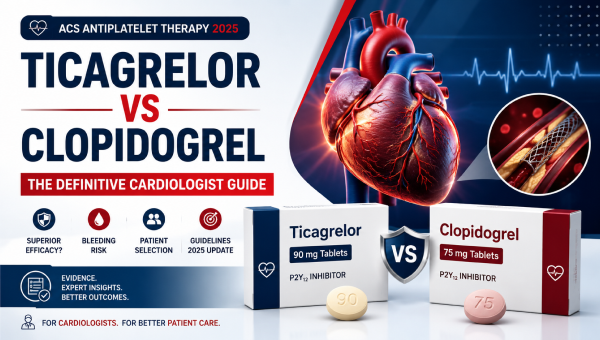
Ticagrelor vs Clopidogrel: Which Antiplatelet Medicine Is Better After Acute Coronary Syndrome (ACS)
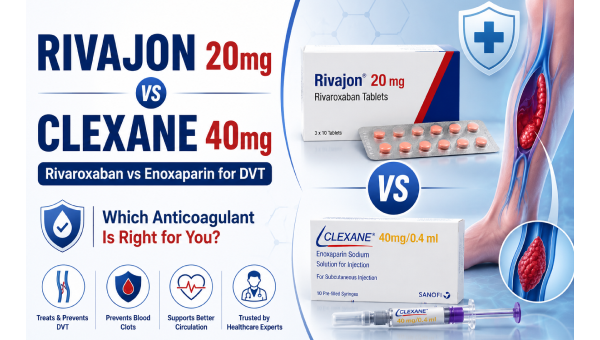
Rivajon 20mg vs Clexane 40mg: Rivaroxaban vs Enoxaparin for DVT
DVT, Pulmonary Embolism & AFib: A Complete Guide to Rivaroxaban Therapy
Empaworth 25mg vs Farxiga 10mg
Empagliflozin for Heart Failure with Reduced Ejection Fraction (HFrEF)
Empaworth 10mg vs Empaworth 25mg
Type 2 Diabetes Treatment in 2026
Humog 150 HP vs Gonal-F 150 IU
Female Infertility Treatment