


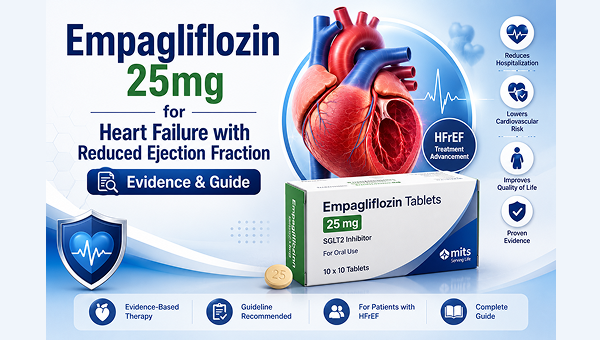




Empagliflozin for Heart Failure with Reduced Ejection Fraction (HFrEF)
Jul 14, 2026
Introduction
Heart failure is a growing global health concern affecting millions of people and placing a significant burden on healthcare systems. Among the different types of heart failure, Heart Failure with Reduced Ejection Fraction (HFrEF) is one of the most common and serious forms. In HFrEF, the heart loses part of its ability to pump blood efficiently, which can lead to symptoms such as shortness of breath, fatigue, swelling in the legs, and reduced physical activity.
Advances in guideline-directed medical therapy (GDMT) have significantly improved the management of HFrEF. Modern treatment focuses on reducing symptoms, lowering the risk of hospitalization, slowing disease progression, and improving quality of life. One of the important medication classes included in current treatment recommendations is SGLT2 inhibitors, such as Empagliflozin.
Originally developed for the treatment of Type 2 Diabetes, Empagliflozin has also demonstrated cardiovascular and kidney benefits in eligible patients with heart failure. This guide explains Empagliflozin for Heart Failure, how it works, who may benefit, current treatment guidelines, possible side effects, and practical lifestyle tips to support long-term heart health.
What Is Heart Failure with Reduced Ejection Fraction (HFrEF)?
Understanding Heart Failure
Heart failure is a chronic condition in which the heart cannot pump enough blood to meet the body's needs. It does not mean that the heart has stopped working. Instead, it means the heart is weaker or stiffer than normal, making it less effective at circulating oxygen-rich blood throughout the body.
Heart failure usually develops gradually and requires ongoing medical management to help reduce symptoms and improve long-term outcomes.
What Does Reduced Ejection Fraction Mean?
Ejection Fraction (EF) is the percentage of blood pumped out of the left ventricle with each heartbeat.
A healthy heart generally has an ejection fraction between 50% and 70%. In Heart Failure with Reduced Ejection Fraction (HFrEF), the ejection fraction is 40% or lower, indicating that the heart's pumping ability has been reduced.
Lower ejection fraction often leads to poor circulation, fluid buildup, and symptoms such as breathlessness and fatigue.
Difference Between HFrEF and HFpEF
Heart failure is commonly classified into two major types based on ejection fraction.
| Feature | HFrEF | HFpEF |
| Ejection Fraction | ≤40% | ≥50% |
| Heart Function | Reduced pumping | Reduced filling |
| Common Treatment | Guideline-directed medications | Individualized management |
Although both conditions are forms of heart failure, they differ in how the heart functions and how treatment is approached.
Causes and Risk Factors of HFrEF
Several medical conditions can damage the heart muscle over time and contribute to HFrEF.
Coronary Artery Disease
Blocked or narrowed coronary arteries reduce blood supply to the heart muscle, increasing the risk of weakened heart function.
Previous Heart Attack
A previous heart attack may permanently damage part of the heart muscle, reducing its ability to pump effectively.
High Blood Pressure
Long-standing uncontrolled hypertension forces the heart to work harder, eventually weakening the heart muscle.
Type 2 Diabetes
People with diabetes have a higher risk of developing cardiovascular disease and heart failure. Proper diabetes management plays an important role in reducing complications.
Cardiomyopathy
Cardiomyopathy refers to diseases of the heart muscle that reduce its strength and pumping ability. Causes may include genetic conditions, infections, alcohol misuse, or certain medications.
Heart Valve Disease
Damaged or narrowed heart valves can increase strain on the heart and eventually contribute to heart failure.
Lifestyle Risk Factors
Certain lifestyle habits may increase the risk of HFrEF, including:
-
Smoking
-
Obesity
-
Physical inactivity
-
Excessive alcohol consumption
-
Unhealthy diet
-
Poor control of diabetes and blood pressure
Adopting healthier lifestyle habits can help reduce cardiovascular risk and support overall heart health.
Symptoms of Heart Failure with Reduced Ejection Fraction
Symptoms may develop gradually or worsen over time.
Shortness of Breath
Many people experience breathlessness during physical activity or while lying flat due to fluid accumulation in the lungs.
Fatigue
Reduced blood flow to muscles and organs often causes persistent tiredness and decreased energy levels.
Swelling of Legs and Ankles
Fluid retention may lead to swelling in the feet, ankles, legs, or abdomen.
Difficulty Exercising
Patients often notice reduced exercise tolerance because the heart cannot deliver enough oxygen-rich blood during physical activity.
Persistent Cough
Fluid buildup in the lungs may cause a chronic cough or wheezing, particularly at night.
Rapid Weight Gain Due to Fluid Retention
Sudden weight gain over a few days may indicate fluid accumulation and worsening heart failure. Patients should report rapid weight changes to their healthcare provider promptly.
How Is HFrEF Diagnosed?
Early diagnosis allows timely treatment and may improve long-term outcomes.
Medical History and Physical Examination
Your healthcare provider will review symptoms, medical history, medications, family history, and perform a physical examination to assess signs of heart failure.
Echocardiogram
An echocardiogram is the primary imaging test used to diagnose HFrEF. It uses ultrasound waves to evaluate heart structure, pumping function, valve function, and measure ejection fraction.
ECG (Electrocardiogram)
An ECG records the heart's electrical activity and may identify abnormal heart rhythms, previous heart attacks, or conduction abnormalities.
Blood Tests (Including BNP/NT-proBNP)
Blood tests such as BNP (B-type Natriuretic Peptide) or NT-proBNP help assess heart failure severity and support diagnosis. Additional blood tests may evaluate kidney function, liver function, blood sugar, electrolytes, and thyroid function.
Chest X-ray
A chest X-ray helps detect enlargement of the heart and signs of fluid buildup in the lungs.
Cardiac MRI (When Required)
In selected patients, cardiac MRI provides detailed images of the heart muscle and may help identify underlying causes such as cardiomyopathy or scar tissue.
Early and accurate diagnosis is essential because appropriate treatment can improve symptoms, reduce hospitalizations, and support better quality of life.
Continue with Part 2, which covers Current Treatment Guidelines (2026), Empagliflozin 25mg, how it works, benefits in HFrEF, clinical evidence, side effects, and lifestyle management.
Current Treatment Guidelines for HFrEF (2026)
The management of Heart Failure with Reduced Ejection Fraction (HFrEF) has evolved significantly over the past decade. Current international guidelines recommend a combination of lifestyle modifications and Guideline-Directed Medical Therapy (GDMT) to reduce symptoms, decrease the risk of hospitalization, improve survival, and enhance quality of life.
Treatment should always be individualized based on the patient's medical history, kidney function, blood pressure, and other underlying health conditions.
Lifestyle Modifications
Healthy lifestyle choices remain a cornerstone of heart failure management and work alongside prescribed medications.
Sodium and Fluid Management
Reducing dietary sodium may help minimize fluid retention and swelling. In some patients, healthcare providers may also recommend limiting daily fluid intake, particularly if fluid overload is a concern.
Patients should always follow individualized dietary advice provided by their cardiologist or dietitian.
Regular Physical Activity
Appropriate exercise can improve physical endurance, muscle strength, and overall well-being. Low- to moderate-intensity activities such as walking, cycling, or supervised cardiac rehabilitation programs are commonly recommended.
Patients should consult their healthcare provider before beginning a new exercise routine.
Guideline-Directed Medical Therapy (GDMT)
Modern HFrEF treatment generally includes several classes of medications that work together to improve heart function and reduce disease progression.
ACE Inhibitors / ARNI
ACE inhibitors help relax blood vessels, reduce blood pressure, and decrease the workload on the heart. In eligible patients, an Angiotensin Receptor-Neprilysin Inhibitor (ARNI) may be recommended as an alternative according to current clinical guidelines.
Beta-Blockers
Beta-blockers slow the heart rate, reduce stress hormones, and improve the heart's pumping efficiency over time. They are considered a foundational therapy for many patients with HFrEF.
Mineralocorticoid Receptor Antagonists (MRAs)
MRAs help reduce fluid retention and may decrease the risk of hospitalization and cardiovascular complications in appropriate patients.
SGLT2 Inhibitors
SGLT2 inhibitors, including Empagliflozin and Dapagliflozin, are now recommended as part of guideline-directed therapy for eligible adults with symptomatic HFrEF, regardless of whether they have Type 2 Diabetes.
What Is Empagliflozin 25mg?
Medicine Overview
Empagliflozin 25mg is a prescription medicine belonging to the SGLT2 (Sodium-Glucose Cotransporter-2) inhibitor class.
Key features include:
-
Prescription-only medicine
-
Oral tablet
-
Usually taken once daily
-
Used according to approved indications and healthcare provider recommendations
-
May be prescribed for Type 2 Diabetes, Heart Failure, or Chronic Kidney Disease in eligible patients
Patients should take the medication exactly as prescribed and should not change the dose without medical advice.
How Empagliflozin Works
Empagliflozin works by blocking the SGLT2 protein in the kidneys.
Normally, the kidneys reabsorb glucose back into the bloodstream. Empagliflozin reduces this glucose reabsorption, allowing excess glucose to be removed through the urine.
Beyond blood sugar control, research has shown that Empagliflozin may provide additional cardiovascular and kidney benefits in appropriate patients. Although the exact mechanisms are still being studied, several effects may contribute to its role in heart failure management, including:
-
Promoting glucose excretion in urine
-
Mild diuretic effect that helps reduce excess fluid
-
Lowering pressure on the heart
-
Supporting kidney function in eligible patients
-
Helping reduce the workload on the cardiovascular system
These combined effects make Empagliflozin an important component of modern HFrEF treatment for many eligible patients.
How Empagliflozin Helps Patients with HFrEF
Supports Heart Failure Management
Empagliflozin is recommended as part of comprehensive heart failure treatment alongside other guideline-directed medications. It should not replace other prescribed therapies unless advised by a healthcare professional.
May Reduce Hospitalization for Heart Failure
Clinical studies have shown that Empagliflozin can reduce the risk of hospitalization for heart failure in appropriate patients with HFrEF.
Reducing hospital admissions may help patients maintain a better quality of life and decrease complications associated with worsening heart failure.
Supports Quality of Life
Many patients receiving comprehensive heart failure treatment, including Empagliflozin when appropriate, may experience improvements in daily functioning, symptom burden, and exercise tolerance.
Individual responses vary, and treatment outcomes depend on many factors.
May Slow Kidney Function Decline in Eligible Patients
Heart failure and kidney disease often occur together. Clinical evidence suggests that Empagliflozin may help slow the decline of kidney function in eligible patients while supporting overall cardiovascular health.
Who May Benefit from Empagliflozin?
Your healthcare provider may consider Empagliflozin for:
Adults with Symptomatic HFrEF
Adults experiencing symptoms such as shortness of breath, fatigue, or fluid retention despite standard therapy may be candidates for treatment.
Patients With or Without Type 2 Diabetes
Unlike earlier diabetes medications, Empagliflozin has demonstrated benefits in eligible patients with HFrEF regardless of diabetes status.
Patients Receiving Standard Heart Failure Therapy
Empagliflozin is generally used alongside other evidence-based heart failure medications rather than as a standalone treatment.
Individualized Treatment Decisions
Not every patient is suitable for Empagliflozin. Kidney function, blood pressure, other medical conditions, and current medications must all be considered before starting therapy.
Clinical Evidence Supporting Empagliflozin in HFrEF
Several major clinical trials have evaluated the role of Empagliflozin in cardiovascular care.
EMPEROR-Reduced Trial
The EMPEROR-Reduced trial studied adults with symptomatic HFrEF and found that Empagliflozin reduced the combined risk of cardiovascular death or hospitalization for heart failure compared with placebo when added to standard therapy. Benefits were observed in patients both with and without Type 2 Diabetes.
EMPA-REG OUTCOME Trial
The EMPA-REG OUTCOME trial primarily evaluated adults with Type 2 Diabetes and established cardiovascular disease. It demonstrated important cardiovascular benefits, including a reduction in cardiovascular death and hospitalization for heart failure, helping establish Empagliflozin's role beyond blood sugar control.
Key Evidence Summary
| Clinical Outcome | Evidence Overview |
| Heart failure hospitalization | Reduced in appropriate patients |
| Cardiovascular outcomes | Improved in selected populations |
| Kidney outcomes | Supported in eligible patients |
These findings have contributed to the inclusion of Empagliflozin in international heart failure treatment guidelines.
Benefits of Empagliflozin Beyond Blood Sugar Control
Heart Protection
Empagliflozin supports comprehensive cardiovascular care by helping reduce the risk of heart failure-related complications in eligible patients.
Kidney Protection
Maintaining kidney health is an important part of heart failure management. Clinical evidence suggests that Empagliflozin may help preserve kidney function in suitable individuals.
Blood Pressure Support
Empagliflozin may contribute to modest reductions in blood pressure, which can lessen strain on the heart. Blood pressure should still be monitored regularly.
Weight Reduction Support
Some patients experience mild weight loss during treatment, partly due to glucose loss in the urine. It should not be used solely for weight management.
Comprehensive Cardiometabolic Care
By addressing multiple aspects of cardiovascular and metabolic health, Empagliflozin plays an important role in modern, evidence-based treatment strategies for eligible patients with HFrEF.
Possible Side Effects and Precautions
Like all prescription medicines, Empagliflozin 25mg may cause side effects, although not everyone experiences them. Most side effects are mild and manageable, but some may require prompt medical attention.
Common Side Effects
| Common Side Effects | Description |
| Increased urination | A result of excess glucose being removed through the urine. |
| Urinary tract infections (UTIs) | May occur in some patients and require medical treatment. |
| Genital fungal infections | More common due to increased glucose in the urine. |
| Increased thirst | Can occur because of increased fluid loss. |
| Mild dehydration | Staying adequately hydrated may help reduce this risk. |
Many patients tolerate Empagliflozin well, especially when taking the medication exactly as prescribed and maintaining good hydration.
Rare but Serious Risks
Although uncommon, serious complications can occur and require immediate medical evaluation.
Diabetic Ketoacidosis (DKA)
In rare cases, Empagliflozin may increase the risk of diabetic ketoacidosis, a potentially life-threatening condition. Symptoms may include nausea, vomiting, stomach pain, rapid breathing, confusion, or unusual tiredness.
Severe Dehydration
Excessive fluid loss may lead to dizziness, low blood pressure, or fainting, particularly in older adults or individuals taking diuretics.
Kidney-Related Concerns
Kidney function should be assessed before starting treatment and monitored periodically during therapy, especially in patients with existing kidney disease.
When to Contact Your Doctor
Contact your healthcare provider immediately if you experience:
-
Difficulty breathing
-
Severe dizziness or fainting
-
Persistent vomiting or inability to keep fluids down
-
Symptoms of diabetic ketoacidosis
-
Severe urinary symptoms or fever
-
Swelling of the face, lips, tongue, or throat
-
Sudden worsening of heart failure symptoms, including rapid weight gain or increasing shortness of breath
Never stop taking your prescribed medication without first consulting your healthcare provider.
Lifestyle Tips for Living with HFrEF
Medication is only one part of successful heart failure management. Healthy lifestyle habits can help improve symptoms, reduce complications, and support long-term heart health.
Follow Your Medication Plan
Take all medications exactly as prescribed. Missing doses or stopping treatment without medical advice may increase the risk of worsening heart failure.
Monitor Daily Weight
Weigh yourself at the same time every day. A sudden increase of 2–3 kilograms over a few days may indicate fluid retention and should be reported to your healthcare provider.
Reduce Salt Intake
Limiting sodium intake can help reduce swelling and prevent excess fluid buildup. Avoid processed foods, packaged snacks, and high-sodium restaurant meals whenever possible.
Stay Physically Active
Regular, moderate exercise can improve stamina and overall cardiovascular health. Walking, cycling, and supervised cardiac rehabilitation programs are often beneficial, but always follow your doctor's recommendations.
Manage Diabetes and Blood Pressure
Keeping blood sugar and blood pressure under control can reduce the progression of heart failure and lower the risk of additional cardiovascular complications.
Attend Regular Cardiology Follow-ups
Routine appointments allow your healthcare provider to monitor your condition, adjust medications if necessary, and identify complications early.
Why Choose Shabbir Medical Hall for Heart Failure Medicines?
Trusted Pharmacy Since 1920
Shabbir Medical Hall has been serving patients with genuine prescription medicines and dependable pharmaceutical services for over a century.
We are committed to supporting patients with heart failure, diabetes, and other chronic conditions by providing reliable access to quality medications.
Why Patients Trust Us
-
Genuine prescription medicines
-
Wide range of cardiac and diabetes medicines
-
Competitive pricing
-
Prescription verification for patient safety
-
Secure packaging
-
Reliable nationwide delivery across India
-
Dedicated customer support
-
Commitment to quality and authenticity
Whether you require long-term heart failure therapy or medicines for diabetes management, our experienced pharmacy team is dedicated to helping you obtain your prescribed medications safely and conveniently.
Looking for Empagliflozin 25mg Tablets?
Shabbir Medical Hall provides genuine prescription medicines with professional support, prescription verification, secure packaging, and reliable delivery across India.
Important: Empagliflozin is a prescription medicine. Always purchase it from a licensed pharmacy and use it only under the guidance of a qualified healthcare professional.
Conclusion
Heart Failure with Reduced Ejection Fraction (HFrEF) is a serious chronic condition that requires timely diagnosis, regular monitoring, and long-term treatment. Advances in Guideline-Directed Medical Therapy (GDMT) have significantly improved patient outcomes, with SGLT2 inhibitors such as Empagliflozin now playing an important role in the management of eligible patients.
When combined with healthy lifestyle habits, regular cardiology follow-ups, and adherence to prescribed medications, Empagliflozin may help reduce heart failure-related hospitalizations and support both cardiovascular and kidney health. Every treatment plan should be individualized based on your medical condition and guided by a qualified healthcare professional.
Always obtain prescription medicines from a trusted, licensed pharmacy such as Shabbir Medical Hall and follow your cardiologist's recommendations to achieve the best possible long-term health outcomes.
Frequently Asked Questions (FAQ)
1. What is Heart Failure with Reduced Ejection Fraction (HFrEF)?
Heart Failure with Reduced Ejection Fraction (HFrEF) is a type of heart failure in which the heart's pumping ability is reduced. It is typically diagnosed when the left ventricular ejection fraction is 40% or less. Common symptoms include shortness of breath, fatigue, swelling of the legs, and reduced exercise tolerance.
2. Can Empagliflozin be used for heart failure even without diabetes?
Yes. Current clinical guidelines support the use of Empagliflozin for certain adults with symptomatic HFrEF regardless of whether they have Type 2 Diabetes, provided it is prescribed by a qualified healthcare professional.
3. How does Empagliflozin help patients with heart failure?
Empagliflozin helps manage heart failure by reducing the risk of heart failure hospitalization in appropriate patients and supporting cardiovascular and kidney health as part of comprehensive guideline-directed medical therapy.
4. What are the common side effects of Empagliflozin?
Common side effects include:
-
Increased urination
-
Urinary tract infections
-
Genital fungal infections
-
Increased thirst
-
Mild dehydration
Most side effects are manageable, but patients should report persistent or severe symptoms to their healthcare provider.
5. Is Empagliflozin a replacement for other heart failure medicines?
No. Empagliflozin is generally used alongside other evidence-based heart failure medications such as ACE inhibitors or ARNIs, beta-blockers, and MRAs unless your healthcare provider recommends otherwise.
6. Where can I buy genuine Empagliflozin 25mg tablets in India?
You can purchase genuine Empagliflozin 25mg tablets from licensed pharmacies such as Shabbir Medical Hall with a valid prescription issued by a registered healthcare professional.
Recent Post

Taffic 90mg vs Ticagrelor Leeford 90mg: Same Molecule, Different Brands Compared

Ticagrelor vs Clopidogrel: Which Antiplatelet Medicine Is Better After Acute Coronary Syndrome (ACS)

Rivajon 20mg vs Clexane 40mg: Rivaroxaban vs Enoxaparin for DVT
DVT, Pulmonary Embolism & AFib: A Complete Guide to Rivaroxaban Therapy
Empaworth 25mg vs Farxiga 10mg
Empaworth 10mg vs Empaworth 25mg

Type 2 Diabetes Treatment in 2026

Humog 150 HP vs Gonal-F 150 IU

Female Infertility Treatment

Poly B XP 750000 IU vs Colistin Injection