


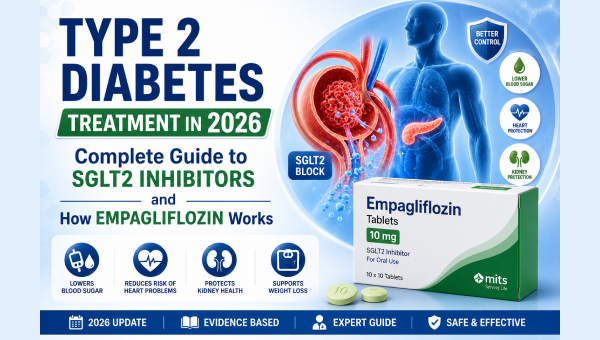




Type 2 Diabetes Treatment in 2026
Jul 06, 2026
Introduction
Type 2 Diabetes has become one of the fastest-growing chronic health conditions worldwide, affecting millions of people across India and other countries. Rising obesity rates, sedentary lifestyles, unhealthy dietary habits, and increasing life expectancy have all contributed to the growing burden of diabetes. According to healthcare experts, early diagnosis and effective management are essential to reduce the risk of long-term complications involving the heart, kidneys, eyes, nerves, and blood vessels.
Modern diabetes care focuses on a combination of lifestyle modifications and evidence-based medications that help improve blood sugar control while supporting overall health. Among recent advances in Type 2 Diabetes Treatment, SGLT2 inhibitors have emerged as an important class of medicines. One of the most widely prescribed medicines in this category is Empagliflozin, which not only helps lower blood sugar levels but may also offer cardiovascular and kidney-related benefits in appropriate patients.
This guide explains Type 2 Diabetes, its causes and symptoms, available treatment options, the role of SGLT2 inhibitors, how Empagliflozin works, potential benefits and side effects, and practical lifestyle strategies for long-term diabetes management.
What Is Type 2 Diabetes?
Understanding Type 2 Diabetes
Type 2 Diabetes is a chronic metabolic disorder in which the body becomes resistant to insulin or does not produce enough insulin to maintain healthy blood sugar levels. Insulin is a hormone produced by the pancreas that helps glucose enter cells where it is used for energy.
When insulin does not work effectively, glucose accumulates in the bloodstream, leading to elevated blood sugar levels. Over time, uncontrolled diabetes can damage multiple organs and increase the risk of serious health complications.
How Type 2 Diabetes Affects the Body
Persistently high blood sugar levels can affect nearly every system in the body. Diabetes may damage blood vessels, nerves, kidneys, eyes, and the cardiovascular system. Long-term complications can include heart disease, stroke, kidney disease, diabetic neuropathy, and vision impairment.
Difference Between Type 1 and Type 2 Diabetes
| Feature | Type 1 Diabetes | Type 2 Diabetes |
| Cause | Autoimmune | Insulin Resistance |
| Age of Onset | Usually Younger | Usually Adults |
| Insulin Production | Very Low or None | Reduced or Ineffective |
| Treatment | Insulin | Lifestyle + Medicines ± Insulin |
Although both conditions affect blood sugar regulation, their causes and treatment approaches differ significantly.
What Causes Type 2 Diabetes?
Several factors contribute to the development of Type 2 Diabetes.
Insulin Resistance
Insulin resistance occurs when body cells stop responding properly to insulin. The pancreas initially compensates by producing more insulin, but over time it may struggle to keep up with the body's demands.
Family History
A family history of diabetes increases the likelihood of developing the condition, indicating a genetic component to disease risk.
Overweight and Obesity
Excess body weight, particularly abdominal obesity, is strongly associated with insulin resistance and Type 2 Diabetes.
Sedentary Lifestyle
Physical inactivity reduces insulin sensitivity and contributes to weight gain, increasing diabetes risk.
Poor Dietary Habits
Frequent consumption of highly processed foods, sugary beverages, and calorie-dense diets may contribute to obesity and impaired glucose regulation.
Increasing Age
The risk of Type 2 Diabetes increases with age, especially after 45 years, although younger adults are increasingly being diagnosed.
Polycystic Ovary Syndrome (PCOS)
Women with PCOS often have insulin resistance and face a higher risk of developing Type 2 Diabetes.
Common Symptoms of Type 2 Diabetes
Early recognition of symptoms allows earlier diagnosis and treatment.
Early Symptoms
Common early symptoms include:
-
Increased thirst
-
Frequent urination
-
Increased hunger
-
Fatigue
-
Blurred vision
Because symptoms often develop gradually, many people remain undiagnosed for years.
Advanced Symptoms
When diabetes remains uncontrolled, symptoms may become more noticeable:
-
Slow wound healing
-
Frequent infections
-
Numbness or tingling in hands and feet
-
Unexplained weight loss
-
Persistent fatigue
Anyone experiencing these symptoms should seek medical evaluation.
How Is Type 2 Diabetes Diagnosed?
Accurate diagnosis is essential for developing an effective treatment plan.
HbA1c Test
The HbA1c test measures average blood sugar levels over approximately three months and is commonly used for diagnosis and monitoring.
Fasting Blood Sugar Test
This test measures blood glucose levels after fasting for at least eight hours.
Oral Glucose Tolerance Test (OGTT)
The OGTT evaluates how the body processes glucose after consuming a glucose-containing drink.
Random Blood Sugar Test
A random blood sugar measurement may help identify diabetes when symptoms are present.
Importance of Regular Monitoring
Routine monitoring helps healthcare professionals assess treatment effectiveness and make adjustments when needed.
Treatment Options for Type 2 Diabetes
Successful Type 2 Diabetes Treatment often combines lifestyle changes and medication.
Healthy Lifestyle Changes
Lifestyle modification remains the foundation of diabetes management.
Balanced Diet
A healthy diet emphasizes vegetables, whole grains, lean proteins, healthy fats, and portion control while limiting added sugars and highly processed foods.
Regular Physical Activity
Exercise improves insulin sensitivity and supports weight management.
Weight Management
Even modest weight reduction can significantly improve blood sugar control.
Smoking Cessation
Stopping smoking helps reduce cardiovascular risks associated with diabetes.
Oral Diabetes Medicines
Many patients require oral medications to improve glucose control. Different drug classes work through different mechanisms.
Injectable Therapies
Some patients benefit from injectable treatments that support glucose regulation and weight management.
Insulin Therapy
Insulin may be prescribed when blood sugar targets are not achieved through lifestyle modifications and other medications.
What Are SGLT2 Inhibitors?
Understanding SGLT2 Inhibitors
SGLT2 inhibitors are a modern class of diabetes medicines designed to lower blood sugar through a unique mechanism involving the kidneys.
How SGLT2 Inhibitors Work
Normally, the kidneys filter glucose and then reabsorb much of it back into the bloodstream.
SGLT2 inhibitors:
-
Block glucose reabsorption in the kidneys
-
Increase glucose excretion through urine
-
Lower blood sugar levels
-
Support overall diabetes management
This mechanism is different from many traditional diabetes medicines and provides additional clinical benefits in certain patients.
What Is Empagliflozin?
Overview of Empagliflozin
Empagliflozin is a prescription medicine belonging to the SGLT2 inhibitor class.
Key characteristics include:
-
Oral tablet
-
Once-daily dosing
-
Prescription-only medicine
-
Used in adults with Type 2 Diabetes
How Empagliflozin Works
Empagliflozin blocks the sodium-glucose co-transporter 2 (SGLT2) in the kidneys. By reducing glucose reabsorption, excess glucose is removed through urine, helping lower blood sugar levels.
Benefits Beyond Blood Sugar Control
In appropriate patients and approved clinical settings, Empagliflozin may provide additional benefits:
-
Supports blood sugar management
-
May help reduce the risk of hospitalization for heart failure
-
May help slow progression of certain kidney complications
-
Supports comprehensive diabetes care
These benefits depend on individual patient circumstances and approved treatment indications.
Who May Benefit from Empagliflozin?
Adults with Type 2 Diabetes
Many adults who require additional blood sugar control may be candidates for Empagliflozin therapy.
Patients with Cardiovascular Disease
Certain patients with cardiovascular disease may receive additional benefits beyond glucose lowering.
Patients with Chronic Kidney Disease
Selected individuals with kidney disease may benefit under physician supervision and approved indications.
Individualized Treatment Plans
Diabetes treatment should always be personalized according to age, medical history, kidney function, cardiovascular risk, and treatment goals.
Benefits of SGLT2 Inhibitors
Blood Sugar Reduction
SGLT2 inhibitors effectively lower blood glucose levels by increasing urinary glucose excretion.
Weight Management Support
Some patients may experience modest weight reduction while taking these medicines.
Blood Pressure Benefits
SGLT2 inhibitors may contribute to small reductions in blood pressure in certain individuals.
Cardiovascular Benefits
Appropriate patients may experience cardiovascular benefits according to clinical evidence and approved indications.
Kidney Protection
Emerging evidence has established an important role for SGLT2 inhibitors in supporting kidney health in eligible patients.
Possible Side Effects of Empagliflozin
Common Side Effects
| Common Side Effects |
| Increased urination |
| Urinary tract infections |
| Genital fungal infections |
| Increased thirst |
| Mild dehydration |
Serious Side Effects
Although uncommon, serious adverse effects may occur:
-
Diabetic ketoacidosis (rare)
-
Severe dehydration
-
Kidney-related concerns
-
Severe infections requiring medical attention
When to Contact Your Doctor
Patients should seek medical advice if they experience severe symptoms, persistent dehydration, unusual weakness, or signs of infection.
Lifestyle Tips for Managing Type 2 Diabetes
Healthy Eating
Choose nutrient-dense foods and maintain consistent meal patterns.
Regular Exercise
Aim for regular physical activity as recommended by healthcare professionals.
Weight Management
Maintaining a healthy weight supports long-term glucose control.
Blood Sugar Monitoring
Regular monitoring helps identify trends and supports treatment adjustments.
Routine Medical Check-ups
Ongoing medical reviews are essential for preventing complications.
Medication Adherence
Taking medicines exactly as prescribed improves treatment effectiveness.
Why Choose Shabbir Medical Hall for Diabetes Medicines?
For patients seeking genuine diabetes medicines, Shabbir Medical Hall offers reliable pharmaceutical services backed by decades of experience.
Trusted Pharmacy Since 1920
Benefits include:
-
Genuine Prescription Medicines
-
Diabetes Care Products
-
Competitive Pricing
-
Prescription Verification
-
Secure Packaging
-
Nationwide Delivery
-
Dedicated Customer Support
Looking for Empagliflozin Tablets?
Shabbir Medical Hall offers genuine diabetes medicines with prescription verification, reliable delivery, and dedicated customer support across India.
Conclusion
Type 2 Diabetes is a long-term metabolic condition that requires continuous management and regular medical follow-up. Early diagnosis, healthy lifestyle choices, routine monitoring, and appropriate medications play a critical role in reducing the risk of complications. Modern treatment options such as SGLT2 inhibitors have expanded the tools available for effective diabetes management. Empagliflozin has become an important option for many adults with Type 2 Diabetes because of its ability to lower blood sugar while potentially providing additional cardiovascular and kidney-related benefits in appropriate patients. Treatment should always be individualized and guided by a qualified healthcare professional to achieve the best possible outcomes.
Frequently Asked Questions
1. What is Type 2 Diabetes?
Type 2 Diabetes is a chronic condition in which the body becomes resistant to insulin or does not produce enough insulin to maintain normal blood sugar levels. Without proper treatment, elevated blood sugar may lead to complications affecting the heart, kidneys, nerves, and eyes.
2. What are SGLT2 inhibitors?
SGLT2 inhibitors are a class of medicines that lower blood sugar by helping the kidneys remove excess glucose through urine. They are commonly used in adults with Type 2 Diabetes and may provide additional cardiovascular and kidney-related benefits in appropriate patients.
3. What is Empagliflozin used for?
Empagliflozin is prescribed to improve blood sugar control in adults with Type 2 Diabetes. Depending on individual clinical circumstances and approved indications, it may also help reduce certain cardiovascular risks and support kidney health in eligible patients.
4. Can lifestyle changes alone control Type 2 Diabetes?
Some individuals with early Type 2 Diabetes may achieve significant improvements through healthy eating, regular exercise, weight management, and lifestyle modifications. However, many patients also require medication, and treatment decisions should always follow professional medical advice.
5. What are the common side effects of Empagliflozin?
Common side effects include increased urination, urinary tract infections, genital fungal infections, increased thirst, and mild dehydration. Most side effects are manageable, but patients should consult their healthcare provider if symptoms become severe or persistent.
6. Can I buy Empagliflozin tablets online in India?
Yes. Empagliflozin tablets are available through licensed pharmacies such as Shabbir Medical Hall with a valid prescription from a registered healthcare professional. Purchasing from reputable pharmacies helps ensure medicine authenticity and professional support.
Recent Post
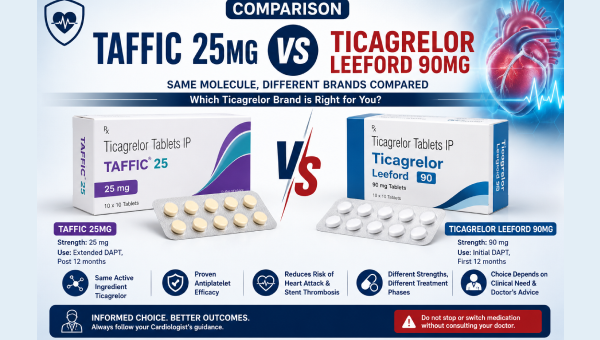
Taffic 90mg vs Ticagrelor Leeford 90mg: Same Molecule, Different Brands Compared
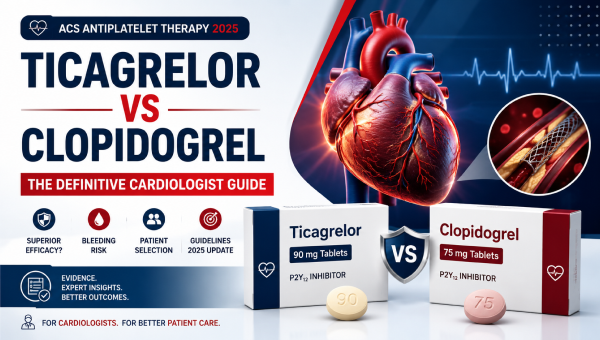
Ticagrelor vs Clopidogrel: Which Antiplatelet Medicine Is Better After Acute Coronary Syndrome (ACS)

Rivajon 20mg vs Clexane 40mg: Rivaroxaban vs Enoxaparin for DVT
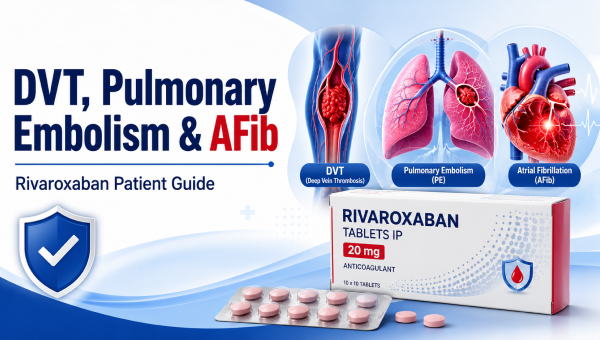
DVT, Pulmonary Embolism & AFib: A Complete Guide to Rivaroxaban Therapy
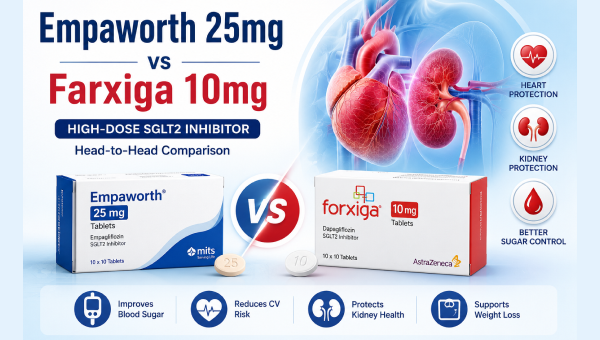
Empaworth 25mg vs Farxiga 10mg

Empagliflozin for Heart Failure with Reduced Ejection Fraction (HFrEF)
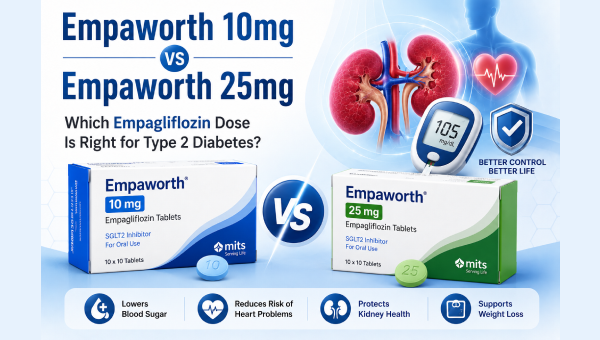
Empaworth 10mg vs Empaworth 25mg

Humog 150 HP vs Gonal-F 150 IU

Female Infertility Treatment
Poly B XP 750000 IU vs Colistin Injection