


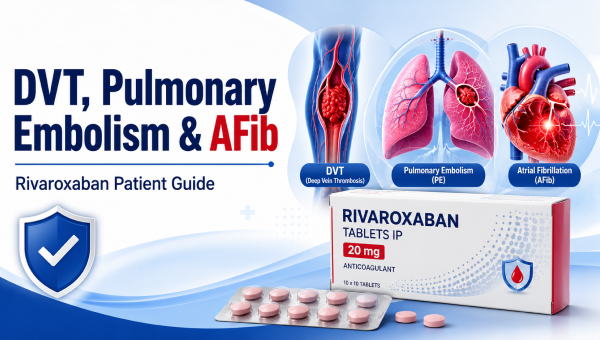




DVT, Pulmonary Embolism & AFib: A Complete Guide to Rivaroxaban Therapy
Jul 15, 2026
Introduction
Blood clots are an important medical concern because they can block normal blood flow and lead to life-threatening complications if left untreated. Conditions such as Deep Vein Thrombosis (DVT), Pulmonary Embolism (PE), and Atrial Fibrillation (AFib) are among the most common situations where blood clot prevention plays a crucial role. Early diagnosis and timely treatment can significantly reduce the risk of serious complications, including stroke and pulmonary embolism.
One of the commonly prescribed medicines for preventing and treating harmful blood clots is Rivaroxaban, a direct oral anticoagulant (DOAC). It helps reduce the body's ability to form dangerous clots without the need for routine INR monitoring in most patients.
In this guide, you'll learn how blood clots develop, understand the differences between DVT, PE, and AFib, discover how Rivaroxaban works, its benefits, possible side effects, and important safety tips for taking this medication correctly.
What Are Blood Clots and Why Do They Form?
Understanding Blood Clot Formation
Blood clotting is a natural process that helps stop bleeding after an injury. When a blood vessel is damaged, the body activates clotting proteins and platelets to form a clot, preventing excessive blood loss.
However, blood clots can sometimes form inside healthy blood vessels without an injury. These abnormal clots can partially or completely block blood flow, preventing oxygen and nutrients from reaching vital organs. Depending on where the clot forms, it may become a medical emergency.
Normal Clotting vs Harmful Clotting
Normal blood clotting is essential for healing and protecting the body after cuts or injuries. Once healing is complete, the body gradually breaks down the clot.
Harmful clotting occurs when a clot develops inside a vein or artery without a normal reason. Instead of protecting the body, these clots may travel through the bloodstream and block circulation to the lungs, brain, or other organs, causing potentially serious complications.
Why Anticoagulants Are Important
Anticoagulants, often called blood thinners, do not actually make the blood thinner. Instead, they reduce the blood's ability to form harmful clots by interfering with specific clotting proteins.
These medicines are prescribed to:
- Treat existing blood clots.
- Prevent new blood clots from forming.
- Reduce the risk of stroke in certain heart rhythm disorders.
- Lower the chance of recurrent clotting episodes.
When used correctly, anticoagulants play an important role in preventing serious complications associated with blood clots.
What Is Deep Vein Thrombosis (DVT)?
Definition of DVT
Deep Vein Thrombosis (DVT) occurs when a blood clot forms in one of the deep veins, most commonly in the legs. Although some people experience only mild symptoms, DVT should never be ignored because the clot may break loose and travel to the lungs, causing a pulmonary embolism.
Common Causes
Several factors can increase the risk of developing DVT, including:
- Prolonged bed rest or immobility
- Long-distance travel
- Major surgery
- Cancer and certain cancer treatments
- Pregnancy and the postpartum period
- Obesity
- Smoking
- Increasing age
- Genetic clotting disorders
- Previous history of blood clots
Having one or more risk factors does not necessarily mean a clot will develop, but it increases the likelihood and may require preventive measures.
Symptoms of DVT
Common symptoms include:
- Swelling in one leg
- Pain or tenderness, often beginning in the calf
- Warmth over the affected area
- Red or discolored skin
- Leg heaviness or discomfort while walking
Some people may have no noticeable symptoms, making early medical evaluation especially important for individuals at high risk.
What Is Pulmonary Embolism (PE)?
Definition of Pulmonary Embolism
A Pulmonary Embolism (PE) occurs when a blood clot blocks one or more arteries in the lungs. In most cases, the clot originates in the deep veins of the legs and travels through the bloodstream before becoming lodged in the lungs.
Pulmonary embolism is a medical emergency that requires immediate diagnosis and treatment.
How DVT Can Lead to PE
If part of a clot formed during DVT breaks away, it can travel through the veins to the heart and then into the lungs. This blockage reduces blood flow, limits oxygen exchange, and places extra strain on the heart.
Prompt treatment of DVT is one of the most effective ways to reduce the risk of pulmonary embolism.
Symptoms of Pulmonary Embolism
Symptoms may develop suddenly and include:
- Sudden shortness of breath
- Sharp chest pain that may worsen with deep breathing
- Rapid heartbeat
- Persistent cough
- Coughing up blood (in some cases)
- Light-headedness or fainting
Because these symptoms may resemble other medical conditions, immediate medical evaluation is essential.
Why PE Is a Medical Emergency
Without prompt treatment, pulmonary embolism can reduce oxygen supply to the body, damage the lungs, and place severe strain on the heart. Large pulmonary emboli can become life-threatening within a short period.
Anyone experiencing symptoms suggestive of a pulmonary embolism should seek emergency medical care immediately.
What Is Atrial Fibrillation (AFib)?
Understanding AFib
Atrial Fibrillation (AFib) is the most common sustained heart rhythm disorder. Instead of beating in a regular rhythm, the upper chambers of the heart (atria) beat rapidly and irregularly.
This irregular rhythm can cause blood to pool inside the heart, increasing the likelihood of clot formation.
Why AFib Increases Stroke Risk
When blood remains stagnant inside the atria, clots can develop. If a clot travels from the heart to the brain, it can block blood flow and cause an ischemic stroke.
For eligible patients with non-valvular atrial fibrillation, anticoagulants such as Rivaroxaban help reduce this risk by preventing harmful clot formation.
Common Symptoms
Symptoms vary from person to person but may include:
- Heart palpitations
- Fatigue
- Shortness of breath
- Dizziness
- Reduced exercise tolerance
- Irregular heartbeat
Some individuals experience no symptoms and are diagnosed only during a routine medical examination.
DVT vs Pulmonary Embolism vs AFib – Quick Comparison
| Condition | Main Problem | Common Symptoms | Major Risk |
| Deep Vein Thrombosis (DVT) | Blood clot in a deep vein | Leg pain, swelling, warmth | Pulmonary Embolism |
| Pulmonary Embolism (PE) | Blood clot blocking arteries in the lungs | Shortness of breath, chest pain, rapid heartbeat | Life-threatening complications |
| Atrial Fibrillation (AFib) | Irregular heart rhythm | Palpitations, fatigue, dizziness | Stroke |
What Is Rivaroxaban?
Medicine Overview
Rivaroxaban is a Direct Oral Anticoagulant (DOAC) used to treat and prevent blood clots in eligible patients. It is available as an oral tablet and is taken once or twice daily depending on the medical condition, treatment phase, and prescribed dose.
Drug Class: Direct Oral Anticoagulant (DOAC)
Dosage Form: Oral Tablet
Prescription Medicine: Yes
Dosing: Once or twice daily depending on the indication and treatment phase
How Rivaroxaban Works
Rivaroxaban works by inhibiting Factor Xa, an important protein involved in the blood-clotting process. By blocking Factor Xa, it reduces the body's ability to form harmful blood clots.
It is important to understand that Rivaroxaban does not dissolve existing blood clots. Instead, it helps prevent existing clots from becoming larger while reducing the risk of new clots forming. Over time, the body's natural processes gradually break down the clot.
When Is Rivaroxaban Prescribed?
Healthcare professionals may prescribe Rivaroxaban for several approved indications, depending on the patient's medical condition and overall risk of blood clots.
Treatment of Deep Vein Thrombosis (DVT)
Rivaroxaban is commonly prescribed to treat DVT and reduce the risk of complications such as pulmonary embolism.
Treatment and Prevention of Pulmonary Embolism (PE)
It is also used to treat pulmonary embolism and help prevent future episodes in eligible patients.
Stroke Prevention in Non-Valvular Atrial Fibrillation
For patients with non-valvular AFib, Rivaroxaban helps reduce the risk of stroke caused by blood clots forming in the heart.
Prevention of Recurrent Blood Clots
Some patients remain at ongoing risk of developing blood clots. In these situations, a healthcare provider may recommend longer-term Rivaroxaban therapy to help reduce the chance of recurrence.
Benefits of Rivaroxaban Therapy
When prescribed according to approved indications, Rivaroxaban offers several advantages for eligible patients who require anticoagulant therapy. It is widely used because it provides effective clot prevention while offering greater convenience than some older anticoagulants.
Oral Tablet Without Routine INR Monitoring
Unlike warfarin, Rivaroxaban generally does not require routine INR blood test monitoring. However, your healthcare provider may still recommend periodic blood tests to monitor kidney function, liver function, and your overall health during treatment.
Fixed Dosing for Approved Indications
Rivaroxaban is prescribed using fixed dosing schedules based on the medical condition being treated, kidney function, and the stage of treatment. Always follow your doctor's instructions and never change the dose on your own.
Proven Effectiveness in Eligible Patients
Large clinical studies have shown that Rivaroxaban is an effective option for treating and preventing blood clots in appropriately selected patients. It is also widely used to reduce the risk of stroke in people with non-valvular atrial fibrillation (AFib).
Convenient Long-Term Treatment Option
Because it is taken as an oral tablet and usually does not require routine INR monitoring, Rivaroxaban can be a convenient long-term treatment option for many eligible patients. Regular follow-up appointments remain essential to ensure treatment continues safely and effectively.
How to Take Rivaroxaban Safely
Taking Rivaroxaban correctly is essential to reduce the risk of blood clots while minimizing the risk of bleeding.
Follow Your Prescribed Dose
Always take Rivaroxaban exactly as prescribed by your healthcare provider. Never increase, decrease, or stop the medication without medical advice.
Take With Food When Required by the Prescribed Strength
Certain strengths of Rivaroxaban should be taken with food to ensure proper absorption. Your doctor or pharmacist will explain the correct way to take your prescribed dose.
What to Do If You Miss a Dose
If you miss a dose, follow the instructions provided by your healthcare provider or the patient information leaflet. Do not take a double dose unless specifically instructed. If you are unsure what to do, contact your doctor or pharmacist for guidance.
Importance of Treatment Adherence
Skipping doses or stopping treatment suddenly can increase the risk of developing new blood clots, stroke, or recurrent pulmonary embolism. Take your medicine at the same time each day and attend all scheduled follow-up appointments.
Possible Side Effects and Precautions
Like all anticoagulants, Rivaroxaban may cause side effects. Because it reduces the blood's ability to clot, the most important risk is bleeding.
Common Side Effects
| Common Side Effect | Rivaroxaban |
| Easy bruising | May occur |
| Nosebleeds | May occur |
| Gum bleeding | May occur |
| Mild bleeding from cuts | May occur |
| Stomach discomfort | May occur |
Most minor bleeding episodes are manageable, but any unusual or persistent bleeding should be reported to your healthcare provider.
Serious Bleeding Warning
Seek immediate medical attention if you experience:
- Heavy or prolonged bleeding
- Blood in the urine
- Black or bloody stools
- Vomiting blood or material that looks like coffee grounds
- Severe headache or sudden weakness
- Unexplained swelling or severe bruising after an injury
These symptoms may indicate serious internal bleeding and require urgent medical evaluation.
Drug Interactions
Rivaroxaban may interact with other medicines, including:
- Other anticoagulants
- Antiplatelet medicines
- Certain antibiotics
- Some antifungal medicines
- Selected epilepsy medications
- Herbal supplements such as St. John's Wort
Always inform your healthcare provider about all prescription medicines, over-the-counter products, vitamins, and herbal supplements you are taking.
Pregnancy and Breastfeeding Considerations
Rivaroxaban may not be suitable during pregnancy or breastfeeding. If you are pregnant, planning a pregnancy, or breastfeeding, discuss the potential risks and benefits with your healthcare provider before starting or continuing treatment.
When to Seek Immediate Medical Care
Contact emergency medical services immediately if you develop:
- Severe or uncontrollable bleeding
- Sudden difficulty breathing
- Symptoms of a stroke, such as weakness on one side of the body or difficulty speaking
- Loss of consciousness
- Serious head injury while taking Rivaroxaban
Lifestyle Tips for Patients Taking Anticoagulants
Medication is only one part of preventing blood clot complications. Healthy lifestyle habits can also support your overall cardiovascular health.
Stay Physically Active
Regular physical activity improves circulation and may reduce the risk of prolonged immobility, which is a known risk factor for blood clots. Choose activities recommended by your healthcare provider.
Maintain a Healthy Weight
Maintaining a healthy body weight supports heart health and may reduce the risk of conditions associated with blood clot formation.
Avoid Smoking
Smoking damages blood vessels and increases the risk of cardiovascular disease and blood clots. Quitting smoking is one of the most effective ways to improve long-term vascular health.
Inform Healthcare Providers Before Procedures
Always tell your doctor, dentist, or surgeon that you are taking Rivaroxaban before any medical, dental, or surgical procedure. Temporary adjustments to your medication may be required in some situations.
Reduce the Risk of Falls and Injuries
Because anticoagulants increase the risk of bleeding, take precautions to avoid falls and injuries. Wear appropriate footwear, use safety equipment when necessary, and seek medical advice after any significant injury.
Attend Regular Follow-up Appointments
Regular follow-up allows your healthcare provider to assess your treatment, monitor kidney and liver function when appropriate, and address any concerns or side effects.
Why Choose Shabbir Medical Hall for Anticoagulant Medicines?
Trusted Pharmacy Since 1920
For over a century, Shabbir Medical Hall has been committed to providing genuine prescription medicines and dependable pharmacy services to patients across India.
Why Patients Trust Us
- Genuine prescription medicines
- Comprehensive range of cardiovascular and anticoagulant medicines
- Competitive pricing
- Prescription verification
- Secure packaging
- Nationwide delivery
- Dedicated customer support
Looking for Rivaroxaban Tablets?
Shabbir Medical Hall offers genuine Rivaroxaban tablets with prescription verification, secure packaging, and reliable delivery across India. A valid prescription from a registered healthcare professional is required for purchase.
Conclusion
Deep Vein Thrombosis (DVT), Pulmonary Embolism (PE), and Atrial Fibrillation (AFib) are serious medical conditions that can lead to life-threatening complications if left untreated. Early diagnosis, timely treatment, and regular medical follow-up are essential to reduce the risk of stroke, recurrent blood clots, and pulmonary embolism.
Rivaroxaban is a well-established Direct Oral Anticoagulant (DOAC) that helps prevent harmful blood clot formation in eligible patients. When combined with good medication adherence, healthy lifestyle habits, and ongoing medical supervision, it plays an important role in long-term anticoagulant therapy. Always take Rivaroxaban exactly as prescribed and obtain your medicines from a trusted, licensed pharmacy such as Shabbir Medical Hall.
Frequently Asked Questions (FAQ)
1. What is Rivaroxaban used for?
Rivaroxaban is prescribed to treat and prevent Deep Vein Thrombosis (DVT) and Pulmonary Embolism (PE), and to reduce the risk of stroke in eligible patients with non-valvular Atrial Fibrillation (AFib).
2. How does Rivaroxaban prevent blood clots?
Rivaroxaban works by blocking Factor Xa, a key protein involved in the blood-clotting process. This helps reduce the formation of harmful blood clots.
3. Can Rivaroxaban dissolve existing blood clots?
No. Rivaroxaban does not dissolve existing clots. It helps prevent existing clots from growing larger while reducing the risk of new clots forming. The body's natural processes gradually break down the clot over time.
4. What are the common side effects of Rivaroxaban?
Common side effects include easy bruising, nosebleeds, gum bleeding, mild bleeding from cuts, and stomach discomfort. Serious or persistent bleeding requires immediate medical attention.
5. Do I need regular INR blood tests while taking Rivaroxaban?
Unlike warfarin, routine INR monitoring is generally not required with Rivaroxaban. However, your doctor may recommend periodic kidney function, liver function, or other blood tests as part of ongoing care.
6. Where can I buy genuine Rivaroxaban tablets in India?
You can purchase genuine Rivaroxaban tablets from licensed pharmacies such as Shabbir Medical Hall with a valid prescription from a registered healthcare professional.
Recent Post
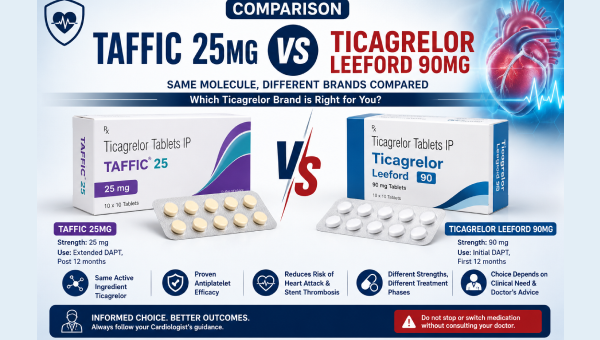
Taffic 90mg vs Ticagrelor Leeford 90mg: Same Molecule, Different Brands Compared
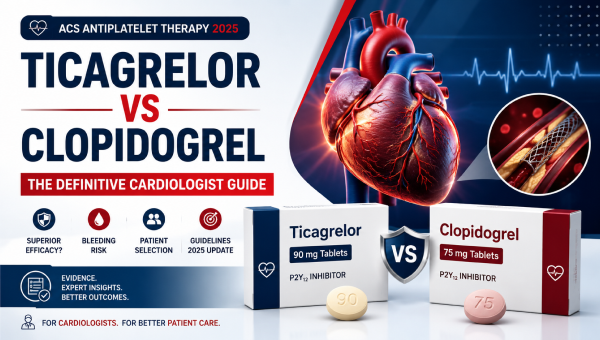
Ticagrelor vs Clopidogrel: Which Antiplatelet Medicine Is Better After Acute Coronary Syndrome (ACS)
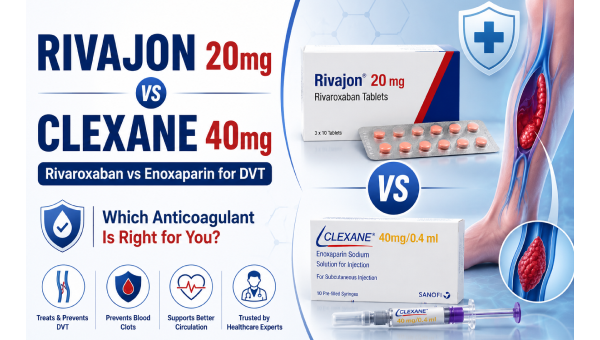
Rivajon 20mg vs Clexane 40mg: Rivaroxaban vs Enoxaparin for DVT
Empaworth 25mg vs Farxiga 10mg
Empagliflozin for Heart Failure with Reduced Ejection Fraction (HFrEF)
Empaworth 10mg vs Empaworth 25mg
Type 2 Diabetes Treatment in 2026
Humog 150 HP vs Gonal-F 150 IU

Female Infertility Treatment
Poly B XP 750000 IU vs Colistin Injection