


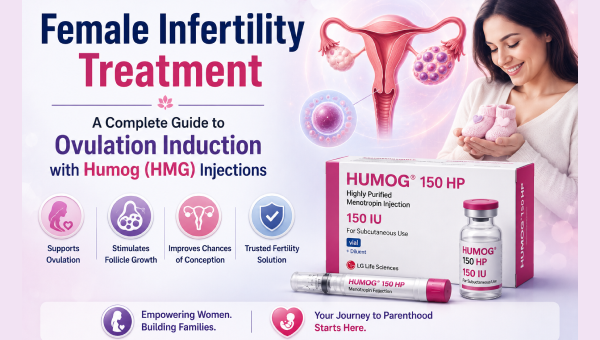




Female Infertility Treatment
Jul 04, 2026
Introduction
Female infertility affects millions of women worldwide and has become an increasingly common reproductive health concern. Lifestyle changes, delayed childbearing, hormonal disorders, and certain medical conditions have all contributed to rising infertility rates. Fortunately, advances in assisted reproductive technologies (ART), including ovulation induction, intrauterine insemination (IUI), and in vitro fertilization (IVF), have significantly improved pregnancy outcomes for many couples.
One of the key components of modern Female Infertility Treatment is ovulation induction, which helps stimulate the ovaries to produce healthy eggs for fertilization. Human Menopausal Gonadotropin (HMG) injections, such as Humog, are widely used by fertility specialists during ovulation induction and assisted reproductive treatments. These medicines contain naturally occurring reproductive hormones that support follicle growth and egg maturation under careful medical supervision.
This guide explains the common causes and symptoms of female infertility, the role of ovulation induction, how Humog injections work, their benefits, possible side effects, and what patients can expect during fertility treatment. It also highlights the importance of specialist monitoring to achieve the best possible outcomes while minimizing treatment-related risks.
What Is Female Infertility?
Female infertility is defined as the inability to achieve pregnancy after regular, unprotected sexual intercourse for a specific period. It can result from problems with ovulation, the fallopian tubes, the uterus, hormone levels, or age-related decline in fertility. Infertility is a medical condition that affects women of all ages and often requires a thorough evaluation by a fertility specialist to identify the underlying cause and recommend the most appropriate treatment.
How Common Is Female Infertility?
Female infertility is more common than many people realize. According to global health estimates, millions of couples experience fertility challenges, with female factors contributing either alone or in combination with male factors in a significant proportion of cases. Early diagnosis and timely treatment can improve the chances of conception, particularly when evidence-based fertility therapies are started at the right time.
When Should You Consult a Fertility Specialist?
Medical experts generally recommend seeking professional evaluation if pregnancy has not occurred after:
-
Women under 35 years: After 12 months of regular unprotected intercourse.
-
Women aged 35 years and above: After 6 months of trying to conceive.
-
Women with irregular menstrual cycles, known reproductive disorders, previous pelvic surgery, or recurrent pregnancy loss should consider consulting a fertility specialist even earlier.
A fertility evaluation may include hormone testing, ultrasound examination, ovulation assessment, ovarian reserve testing, and imaging of the reproductive organs to identify possible causes.
Common Causes of Female Infertility
Female infertility can arise from several medical conditions, and successful treatment depends on identifying the exact cause.
Ovulation Disorders
Ovulation disorders are among the leading causes of infertility. Women who do not ovulate regularly may have difficulty releasing a mature egg each month, reducing the chance of natural conception.
Polycystic Ovary Syndrome (PCOS)
PCOS is one of the most common hormonal disorders affecting reproductive-age women. It can interfere with normal ovulation, causing irregular menstrual cycles and difficulty conceiving. Many women with PCOS respond well to ovulation induction under specialist care.
Diminished Ovarian Reserve
As women age, both the number and quality of eggs naturally decline. Some women experience reduced ovarian reserve earlier than expected, making conception more challenging and often requiring fertility treatment.
Blocked Fallopian Tubes
Damage or blockage of the fallopian tubes can prevent sperm from reaching the egg or stop a fertilized egg from reaching the uterus. Previous pelvic infections, endometriosis, or abdominal surgery may contribute to tubal blockage.
Endometriosis
Endometriosis occurs when tissue similar to the uterine lining grows outside the uterus. It may affect ovarian function, damage reproductive organs, and reduce fertility depending on its severity.
Hormonal Imbalances
Hormones regulate ovulation and the menstrual cycle. Disorders involving the thyroid gland, pituitary gland, or reproductive hormones may interfere with egg development and ovulation.
Age-Related Fertility Decline
Female fertility gradually declines with age, particularly after the mid-30s. Egg quality decreases over time, increasing the difficulty of achieving pregnancy naturally.
Symptoms of Female Infertility
The most common symptom of infertility is difficulty becoming pregnant. However, several additional symptoms may indicate an underlying reproductive disorder.
Irregular or Absent Menstrual Periods
Irregular cycles or missed periods may suggest that ovulation is not occurring consistently.
Difficulty Conceiving
Failure to achieve pregnancy despite regular unprotected intercourse is often the primary reason couples seek fertility evaluation.
Hormonal Symptoms
Acne, excessive facial hair, weight changes, or abnormal menstrual bleeding may indicate hormonal disorders affecting fertility.
Pelvic Pain
Persistent pelvic pain or painful menstrual periods may be associated with endometriosis or other gynecological conditions.
When to Seek Medical Advice
Women experiencing infertility symptoms, recurrent miscarriages, severe menstrual irregularities, or pelvic pain should consult a fertility specialist promptly for appropriate evaluation and treatment.
Understanding Ovulation Induction
Ovulation induction is an established treatment used in many fertility programs to stimulate the ovaries and encourage the development of mature eggs.
What Is Ovulation Induction?
Ovulation induction involves using fertility medicines to help one or more ovarian follicles grow and mature. The treatment is carefully monitored with ultrasound scans and hormone testing to optimize the chances of successful ovulation.
Why Is It Important in Fertility Treatment?
For women who do not ovulate regularly or who require assisted reproductive techniques such as IVF or IUI, ovulation induction is an important step in improving the likelihood of obtaining mature eggs for fertilization.
Who May Benefit from Ovulation Induction?
Ovulation induction may be recommended for:
-
Women with ovulatory disorders.
-
Women undergoing IVF treatment.
-
Women receiving IUI treatment.
-
Selected patients with unexplained infertility after appropriate evaluation.
What Is HMG (Human Menopausal Gonadotropin)?
Human Menopausal Gonadotropin (HMG) is a fertility medicine widely used in assisted reproductive technology programs.
Understanding HMG Injections
HMG injections contain two naturally occurring reproductive hormones:
-
Follicle-Stimulating Hormone (FSH)
-
Luteinizing Hormone (LH)
These hormones play essential roles in ovarian follicle development and egg maturation.
How HMG Stimulates the Ovaries
HMG works by supplying FSH and LH to stimulate the ovaries during a treatment cycle.
-
FSH promotes the growth of ovarian follicles.
-
LH supports the maturation of developing eggs.
-
Together, these hormones help prepare mature follicles for ovulation or egg retrieval during IVF treatment.
Because every woman responds differently, fertility specialists individualize the dosage and carefully monitor ovarian response throughout treatment.
What Is Humog Injection?
Humog Injection is a prescription fertility medicine that contains Human Menopausal Gonadotropin (HMG). It is commonly prescribed by fertility specialists to stimulate ovarian follicle development in women undergoing ovulation induction, intrauterine insemination (IUI), or in vitro fertilization (IVF). By supplying follicle-stimulating hormone (FSH) and luteinizing hormone (LH), Humog helps support healthy follicle growth and egg maturation during fertility treatment.
Product Overview
| Attribute | Details |
| Generic Name | Human Menopausal Gonadotropin (HMG) |
| Drug Class | Gonadotropin Fertility Medicine |
| Dosage Form | Injection |
| Prescription Status | Prescription Only |
| Use | Ovulation Induction, IUI & IVF Treatment |
How Humog Is Used in Fertility Treatment
Humog is administered under the supervision of a fertility specialist as part of a personalized treatment protocol. The medicine helps stimulate ovarian follicles so that one or more mature eggs can develop. The response to treatment varies between individuals, making close monitoring with ultrasound scans and hormone tests essential throughout the treatment cycle.
Humog Injection in IVF Treatment
Humog plays a central role in controlled ovarian stimulation during IVF cycles.
Controlled Ovarian Stimulation
Instead of producing a single egg during a natural cycle, IVF treatment aims to stimulate multiple follicles. This increases the number of mature eggs available for retrieval, improving the chances of obtaining viable embryos.
Egg Development Before Retrieval
During stimulation, ultrasound examinations monitor follicle growth. Once the follicles reach an appropriate size, the fertility specialist determines the next step in the treatment plan.
Monitoring During IVF Cycles
Patients usually undergo regular ultrasound scans and blood hormone tests to evaluate ovarian response. These assessments help doctors adjust medication doses and reduce the risk of complications.
Timing of HCG Trigger Injection
When the follicles have matured sufficiently, an HCG trigger injection is administered to complete egg maturation before egg retrieval. The timing is carefully planned because it directly influences the success of the IVF procedure.
Who May Be Prescribed Humog?
Humog is not suitable for every patient experiencing infertility. After a detailed fertility evaluation, specialists may recommend it for selected women, including:
Women with Ovulation Disorders
Women who do not ovulate regularly due to hormonal conditions may benefit from HMG therapy to stimulate follicle development.
IVF Patients
Humog is frequently included in IVF treatment protocols to promote the growth of multiple mature follicles before egg retrieval.
IUI Treatment Cycles
Some women undergoing intrauterine insemination (IUI) receive Humog to increase the likelihood of successful ovulation.
Selected Cases of Unexplained Infertility
When standard fertility investigations fail to identify a clear cause, specialists may recommend ovulation induction with HMG as part of an individualized treatment approach.
Benefits of HMG (Humog) Injections
Humog has been widely used in fertility clinics for many years and offers several clinical benefits when prescribed appropriately.
Stimulates Multiple Follicles
The medicine encourages the development of multiple ovarian follicles, increasing the number of mature eggs available during fertility treatment.
Supports IVF Success
By improving follicular development, Humog contributes to controlled ovarian stimulation, an important step in IVF treatment.
Improves Ovulation in Suitable Patients
Women with ovulation disorders may achieve successful ovulation following carefully monitored HMG treatment.
Widely Used in Fertility Clinics
Because of its established clinical use, HMG remains an important component of many assisted reproductive technology protocols worldwide.
How Is Humog Injection Administered?
Humog should only be administered according to the instructions of a qualified fertility specialist.
Administration Method
The medicine is given as an injection by trained healthcare professionals or by patients who have received appropriate training.
Treatment Schedule
The number of injections and treatment duration vary according to the patient's ovarian response, fertility diagnosis, and treatment goals.
Ultrasound Monitoring
Serial ultrasound examinations measure follicle growth and help determine whether medication adjustments are required.
Hormone Blood Tests
Blood tests measuring reproductive hormone levels provide additional information about ovarian response and help guide treatment decisions.
Possible Side Effects of Humog Injection
Like all prescription medicines, Humog may cause side effects, although not every patient experiences them.
| Common Side Effects |
| Injection-site pain |
| Headache |
| Bloating |
| Mild abdominal discomfort |
| Breast tenderness |
| Mood changes |
Ovarian Hyperstimulation Syndrome (OHSS)
One important but less common complication of fertility treatment is Ovarian Hyperstimulation Syndrome (OHSS). Symptoms may include severe abdominal pain, rapid weight gain, persistent nausea or vomiting, shortness of breath, abdominal swelling, and reduced urine output. Patients experiencing these symptoms should contact their fertility specialist immediately, as prompt medical evaluation is essential.
When to Contact Your Fertility Specialist
Seek medical advice if you experience severe abdominal pain, excessive bloating, breathing difficulty, heavy vaginal bleeding, allergic reactions, or any unexpected symptoms during treatment.
Lifestyle Tips to Improve Fertility During Treatment
Although medicines play an important role, healthy lifestyle habits can also support fertility treatment.
Maintain a Healthy Weight
Maintaining a healthy body weight may improve hormonal balance and ovulation.
Eat a Balanced Diet
A nutritious diet rich in fruits, vegetables, lean proteins, whole grains, and healthy fats supports overall reproductive health.
Avoid Smoking and Excess Alcohol
Smoking and excessive alcohol consumption may negatively affect fertility and pregnancy outcomes.
Manage Stress
Stress-management techniques such as meditation, yoga, gentle exercise, and adequate sleep may support emotional well-being during treatment.
Attend All Fertility Appointments
Regular follow-up visits allow fertility specialists to monitor treatment response, adjust medication doses, and maximize the likelihood of successful outcomes.
Why Choose Shabbir Medical Hall for Fertility Medicines?
Shabbir Medical Hall has been serving patients since 1920, providing access to genuine prescription medicines with professional support.
Why patients trust Shabbir Medical Hall:
-
Genuine Fertility Medicines
-
Prescription Verification
-
Competitive Pricing
-
Reliable Availability
-
Secure Packaging
-
Nationwide Delivery
-
Dedicated Customer Support
Looking for Humog HMG Injections?
Shabbir Medical Hall supplies genuine fertility medicines with prescription verification and dependable delivery across India, helping patients access essential fertility treatments through a trusted and licensed pharmacy.
Conclusion
Female Infertility Treatment requires an accurate diagnosis and an individualized treatment plan based on the underlying cause of infertility. Ovulation induction using Human Menopausal Gonadotropin (HMG) injections such as Humog has become an established option for selected women undergoing fertility treatments, including IVF and IUI. Careful monitoring with ultrasound examinations and hormone testing allows fertility specialists to optimize treatment while minimizing potential complications. Patients should always use fertility medicines under qualified medical supervision and obtain them from trusted, licensed pharmacies such as Shabbir Medical Hall, where genuine fertility medicines, prescription verification, professional guidance, and reliable nationwide delivery help support a safe and confident fertility treatment journey.
Frequently Asked Questions
1. What is Humog injection used for?
Humog is a Human Menopausal Gonadotropin (HMG) injection used to stimulate ovarian follicle development during ovulation induction, IVF, and IUI treatment. It contains FSH and LH hormones that support follicle growth and egg maturation under the supervision of a qualified fertility specialist.
2. How does Humog help with IVF?
Humog provides FSH and LH hormones that stimulate the ovaries to produce multiple mature follicles during controlled ovarian stimulation. This increases the number of eggs available for retrieval, an important step in many IVF treatment protocols.
3. Is Humog injection painful?
Humog is administered by injection and may cause mild discomfort, redness, or pain at the injection site. These effects are usually temporary. Patients should follow their fertility specialist's instructions and report any severe or persistent symptoms.
4. What are the common side effects of Humog?
Common side effects include headache, bloating, mild abdominal discomfort, breast tenderness, mood changes, and injection-site pain. Although uncommon, ovarian hyperstimulation syndrome (OHSS) requires immediate medical evaluation if symptoms develop.
5. Can I buy Humog injections online in India?
Yes. Humog injections are available through licensed pharmacies such as Shabbir Medical Hall after verification of a valid prescription. Patients should purchase fertility medicines only from trusted sources to ensure product authenticity and proper pharmaceutical support.
6. Is Humog suitable for everyone with infertility?
No. Humog is prescribed only after a comprehensive fertility evaluation. A fertility specialist determines whether HMG therapy is appropriate based on the underlying cause of infertility, ovarian reserve, treatment goals, and the patient's overall medical condition.
Recent Post
Taffic 90mg vs Ticagrelor Leeford 90mg: Same Molecule, Different Brands Compared
Ticagrelor vs Clopidogrel: Which Antiplatelet Medicine Is Better After Acute Coronary Syndrome (ACS)
Rivajon 20mg vs Clexane 40mg: Rivaroxaban vs Enoxaparin for DVT
DVT, Pulmonary Embolism & AFib: A Complete Guide to Rivaroxaban Therapy
Empaworth 25mg vs Farxiga 10mg
Empagliflozin for Heart Failure with Reduced Ejection Fraction (HFrEF)
Empaworth 10mg vs Empaworth 25mg
Type 2 Diabetes Treatment in 2026
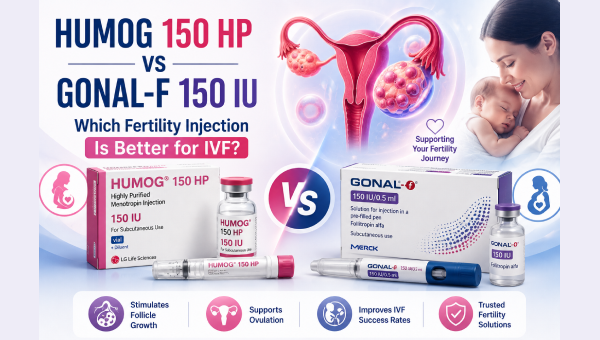
Humog 150 HP vs Gonal-F 150 IU
Poly B XP 750000 IU vs Colistin Injection