

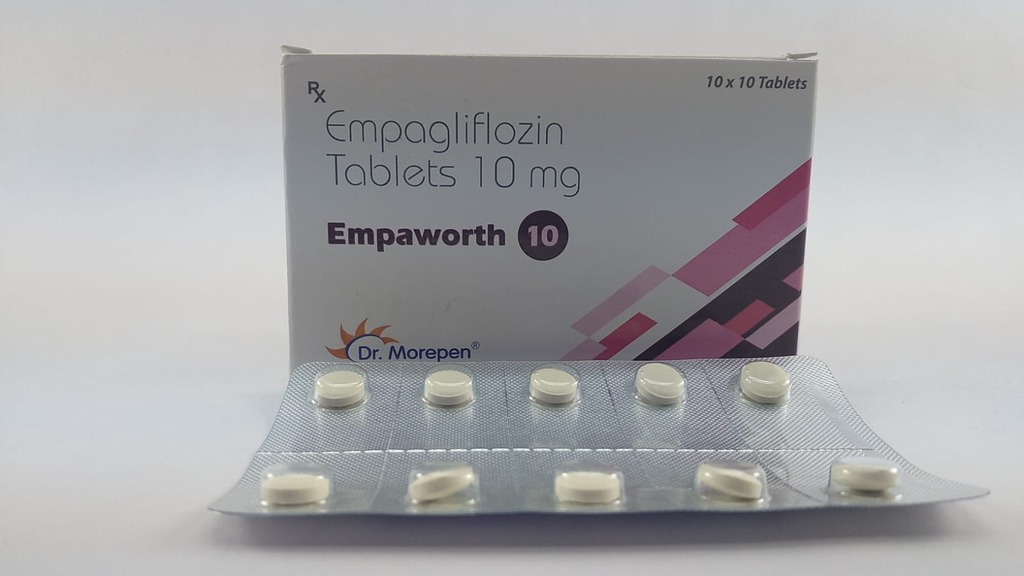
EMPAWORTH 10MG TABLET
 Item requires a valid prescription
Manufactured By Morepen Laboratories Ltd
Composition Empagliflozin 10mg
RS 278.91
MRP RS 398.44
(30% OFF)
Includes all taxes
Package SIZE
( 10 tablet er in 1 strip )

100% Authentic
Products

Free
Shipping*

Products
Return Policy
Description:
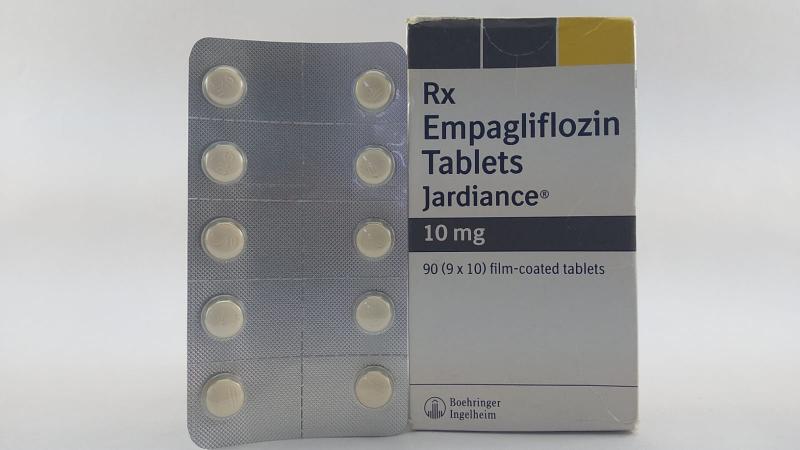
Empaworth 10mg Tablet (Empagliflozin 10mg) is an oral antidiabetic medicine manufactured by Morepen Laboratories Ltd, belonging to the class of Sodium-Glucose Cotransporter-2 (SGLT2) inhibitors. Each extended-release tablet contains 10mg of Empagliflozin — the same active ingredient as the globally recognised brand Jardiance — used for the management of Type 2 Diabetes Mellitus (T2DM) in adults as an adjunct to diet and exercise. Available from Shabbir Medical Hall at the best price in India, this genuine prescription tablet is available online with fast delivery nationwide.
BENEFITS: Empaworth 10mg provides dual benefits — effective blood glucose control and evidence-based cardiovascular and renal protection. By blocking SGLT2 receptors in the kidney, Empagliflozin reduces renal glucose reabsorption, leading to urinary glucose excretion (glycosuria) and lowering of blood sugar levels independent of insulin. This unique insulin-independent mechanism makes it effective even in patients with some degree of beta-cell dysfunction. Beyond glycaemic control, clinical trials (EMPA-REG OUTCOME) have demonstrated significant reductions in cardiovascular death, hospitalisation for heart failure, and progression of diabetic kidney disease in high-risk T2DM patients.
USAGE OVERVIEW: Empaworth 10mg Tablet is taken orally once daily, with or without food, preferably in the morning. It may be used as monotherapy or in combination with other antidiabetic agents including Metformin, sulphonylureas, DPP-4 inhibitors, or insulin, as directed by the treating physician. The dose may be escalated to 25mg daily based on individual glycaemic response and tolerability.
SAFETY OVERVIEW: The most common side effects include urinary tract infections (UTIs), genital mycotic infections, and increased urination due to glycosuria. Rare but serious risks include Diabetic Ketoacidosis (DKA) — which may occur even with near-normal blood glucose — and Fournier's gangrene. This medicine must be used only under medical supervision with regular monitoring of renal function, blood glucose, and HbA1c.
Uses / Indications:
- Type 2 Diabetes Mellitus (T2DM): Adjunct to diet and exercise to improve glycaemic control in adults with T2DM when metformin alone is inadequate or not tolerated
- Cardiovascular Risk Reduction: To reduce the risk of cardiovascular death and hospitalisation for heart failure in adults with T2DM and established cardiovascular disease (CVD) — as demonstrated in the EMPA-REG OUTCOME trial
- Heart Failure with Reduced Ejection Fraction (HFrEF): Reduction of cardiovascular death and hospitalisation for worsening heart failure in adults with symptomatic chronic HFrEF (with or without T2DM) — as per EMPEROR-Reduced trial
- Chronic Kidney Disease (CKD): To reduce the risk of sustained eGFR decline, end-stage kidney disease, cardiovascular death, and hospitalisation in adults with CKD at risk of progression — as per EMPA-KIDNEY trial
ADDITIONAL USES:
- Combination therapy: Used with Metformin, DPP-4 inhibitors (e.g., Sitagliptin), sulphonylureas, GLP-1 receptor agonists, or insulin in inadequately controlled T2DM
- Weight management adjunct: Modest but consistent body weight reduction as a beneficial secondary effect
- Blood pressure reduction: Modest reduction in systolic blood pressure — of additional benefit in hypertensive T2DM patients
Interactions / Warnings:
RE-TREATMENT SCREENING (MANDATORY): Renal function: Serum creatinine + eGFR — NOT recommended if eGFR <30 for T2DM; use with caution if eGFR 30–60. HbA1c, fasting blood glucose, post-prandial glucose — baseline before initiation. Blood pressure, body weight — document baseline. History of recurrent UTIs, genital infections, DKA, or ketosis-prone diabetes (Type 1 or LADA) — Empaworth should NOT be used in Type 1 DM.
SICK-DAY RULES — WITHHOLD EMPAWORTH WHEN: Patient is acutely unwell (vomiting, diarrhoea, fever, reduced oral intake). Before elective surgery / invasive procedures — withhold at least 3 days prior. During hospitalisation for serious illness. Restart only when eating normally, fully hydrated, and medically cleared.
VOLUME DEPLETION RISK: Elderly patients (>75 years), patients on loop diuretics, or patients with low BMI are at higher risk of dehydration — assess carefully before initiation.
LOWER LIMB AMPUTATIONS: Some SGLT2 inhibitor trials (CANVAS — Canagliflozin) raised signals for increased amputation risk — signal not confirmed for Empagliflozin in EMPA-REG; however, patients with peripheral arterial disease or prior foot ulcers should be monitored for foot changes and referred for podiatry review.
KETOACIDOSIS PREVENTION: Do NOT use in Type 1 DM or ketosis-prone patients. Educate patients on DKA warning signs and sick-day rules. Withhold before surgery; resume only when eating and drinking normally.
Pregnancy interaction:
- Empaworth 10mg (Empagliflozin) is CONTRAINDICATED in pregnancy — do NOT use during the 2nd and 3rd trimesters
- Animal studies have shown adverse effects on renal development during late gestation; potential human fetal risk cannot be excluded
- Women of childbearing potential should use effective contraception while taking Empagliflozin
- If pregnancy is detected during treatment, discontinue Empaworth immediately and switch to an alternative antidiabetic medicine (Insulin is the preferred antidiabetic in pregnancy)
BREASTFEEDING:
- Empagliflozin is NOT recommended during breastfeeding — it is unknown whether Empagliflozin is excreted in human breast milk; risk to nursing infant cannot be excluded
- Discontinue breastfeeding or discontinue Empaworth, taking into account the benefit of breastfeeding to the infant
CONTRACEPTION WARNING:
- No adverse effects on male or female fertility have been observed in animal studies at therapeutic doses
Expert advice:
1. TAKE CONSISTENTLY IN THE MORNING — WITH OR WITHOUT FOOD:
- Empaworth 10mg should be taken at the same time each morning for optimal consistency. Morning dosing helps manage the glycosuric effect during the day when patients are active and hydrated, and reduces the inconvenience of nocturia (nighttime urination). Food does not affect bioavailability significantly.
2. STAY WELL HYDRATED — ESPECIALLY IN SUMMER AND DURING ILLNESS:
- Empagliflozin causes glycosuria and mild osmotic diuresis — this is expected and part of its mechanism. However, in hot weather, during exercise, fever, vomiting, or diarrhoea, fluid losses can become significant. Ensure at least 2–2.5 litres of fluid intake daily. If you become seriously unwell and cannot drink, STOP Empaworth and seek medical attention (sick-day rules).
3. KNOW THE SIGNS OF GENITAL INFECTION AND UTI:
- The most common side effects are genital fungal infections (thrush) and urinary tract infections due to sugar in the urine. Women may experience vaginal itching, discharge, or discomfort; men may notice redness, itching, or soreness under the foreskin. These are usually mild and treatable — do not stop Empaworth without consulting your doctor, but do report symptoms promptly. Good genital hygiene is important.
4. UNDERSTAND EUGLYCAEMIC DKA — A HIDDEN RISK:
- The most dangerous rare complication of Empagliflozin is Diabetic Ketoacidosis (DKA) that can occur even when blood glucose appears nearly normal. Symptoms are nausea, vomiting, abdominal pain, confusion, rapid breathing, or a fruity smell on the breath. If these occur, STOP the tablet immediately and go to hospital — do NOT delay because your glucose meter reads normal.
5. WITHHOLD BEFORE ANY SURGERY OR PROCEDURE:
- Empagliflozin MUST be stopped at least 3 days before any elective surgery, dental procedure under anaesthesia, or fasting procedure to avoid perioperative DKA risk. Inform your surgeon, anaesthetist, and dentist that you are taking Empagliflozin.
MONITORING ADVICE:
- Baseline: Renal function (eGFR, serum creatinine), HbA1c, fasting blood glucose, blood pressure, body weight
- 3 months after initiation: HbA1c, renal function, blood pressure
- Every 6 months: HbA1c, renal function, body weight
- Annual: Comprehensive metabolic panel, lipids, urine albumin-creatinine ratio (UACR), foot examination
- Any hospitalisation or acute illness: Withhold and recheck renal function before restart
COMPLIANCE TIPS:
- Set a daily morning alarm for tablet — consistency is key to glycaemic control
- Store in a cool, dry place — no refrigeration required
- Keep a blood glucose diary if prescribed home monitoring — bring to every clinic visit
- Note any infections (UTI, genital) and report to doctor — do not self-treat recurrent infections without medical review
- Do not skip doses before travel — continue as normal; carry extra supply
SAFETY TIPS:
- Carry a medical alert card or inform family members that you are on Empagliflozin — especially relevant for DKA and sick-day rules
- Foot care: Inspect feet regularly, wear appropriate footwear, report any wounds or colour changes to your doctor promptly
- Avoid excessive alcohol during treatment — increases DKA risk
- Inform all treating doctors, dentists, and emergency physicians that you are on Empagliflozin
- If switching from another SGLT2 inhibitor (Dapagliflozin, Canagliflozin), inform your doctor — do not double-dose
Side Effects:
- Urinary Tract Infections (UTIs): Increased urinary glucose creates a favourable environment for bacterial growth — symptoms include burning urination, frequency, cloudy urine — report to doctor if persistent
- Genital Mycotic Infections (Thrush): Fungal infections of the genitals (vulvovaginal candidiasis in women; balanitis in men) — more common with SGLT2 inhibitors due to glycosuria — usually treatable with topical antifungals
- Polyuria / Pollakiuria: Increased urination frequency due to osmotic diuresis — usually mild and transient
- Thirst / Dry mouth: Associated with mild volume depletion — ensure adequate hydration
- Hypoglycaemia (when used with insulin or sulphonylureas): Low blood sugar — symptoms include sweating, trembling, palpitations — risk is low as monotherapy or with Metformin
SERIOUS SIDE EFFECTS — DIABETIC KETOACIDOSIS (DKA) — RARE BUT SERIOUS:
STOP MEDICINE AND SEEK EMERGENCY CARE if you experience:
- Nausea, vomiting, abdominal pain
- Excessive thirst, rapid breathing, confusion
- Fruity-smelling breath
NOTE: DKA with SGLT2 inhibitors may occur even when blood glucose appears near-normal (euglycaemic DKA) — do NOT dismiss symptoms based on glucose reading alone
WITHHOLD Empaworth at least 3 days before any planned surgery or major procedure
FOURNIER'S GANGRENE (necrotising fasciitis of perineum) — VERY RARE:
- Sudden severe pain, swelling, redness, warmth in genital/perineal area with fever — MEDICAL EMERGENCY requiring immediate hospitalisation and surgical review
ACUTE KIDNEY INJURY (AKI):
- Volume depletion (especially in hot weather, vomiting, diarrhoea, reduced fluid intake) may precipitate AKI — stay well hydrated; withhold Empaworth if severely unwell or dehydrated (sick-day rules)
HYPOTENSION:
- Particularly in elderly patients or those on diuretics or antihypertensives — dizziness on standing (postural hypotension); ensure adequate hydration
How to use:
TYPE 2 DIABETES:
- Starting dose: 10mg orally ONCE DAILY in the morning, with or without food
- Dose escalation: May be increased to 25mg once daily if additional glycaemic control is needed and tolerated
- Renal function check BEFORE initiation: Not recommended if eGFR <30 mL/min/1.73m² (for T2DM glycaemic indication); may be used for CV/HF/CKD indications down to eGFR ≥20 mL/min/1.73m² — confirm with physician
HEART FAILURE / CKD (per updated guidelines):
- Dose: 10mg once daily (no dose escalation for non-T2DM HF/CKD indications)
- Continued even if eGFR falls, per current prescribing information — confirm with specialist
COMBINATION USE:
- With Metformin: Continue Metformin dose; add Empaworth 10mg once daily
- With Insulin/Sulphonylurea: Consider 10–25% dose reduction of insulin/sulphonylurea to minimise hypoglycaemia risk when adding Empaworth
ADMINISTRATION:
- Take orally with a glass of water, in the morning
- May be taken with or without food — food does not significantly affect pharmacokinetics
- Swallow whole if ER formulation; do not crush or chew
STORAGE:
- Store below 30°C in a cool, dry place away from direct sunlight
- Keep in original blister pack; protect from moisture
- Keep out of reach of children; do not use after expiry date
- No refrigeration required
How it works:
MECHANISM OF ACTION:
- SGLT2 accounts for ~90% of renal glucose reabsorption from the glomerular filtrate
- Empagliflozin competitively blocks SGLT2, preventing glucose reabsorption and causing controlled urinary glucose excretion (glycosuria) of approximately 70–80g/day
- This results in reduced blood glucose levels without stimulating insulin secretion — insulin-independent mechanism
- Blood glucose lowering is proportional to the degree of hyperglycaemia; at normal blood glucose, the glycosuric effect diminishes — significantly low risk of hypoglycaemia as monotherapy
CARDIOVASCULAR AND RENAL MECHANISMS:
- Osmotic diuresis from glycosuria → reduced plasma volume, preload, and afterload → beneficial haemodynamic effects on heart failure
- Natriuresis (sodium excretion) → reduced tubuloglomerular feedback → reduced intraglomerular pressure → nephroprotection
- Favourable effects on myocardial metabolism, adipose tissue, inflammation, and neurohormonal activation
- HbA1c reduction: approximately 0.5–1.0% from baseline at 10mg dose
Faq for medicine:
Empaworth 10mg Tablet contains Empagliflozin, an SGLT2 inhibitor that reduces blood glucose by blocking glucose reabsorption in the kidneys. This causes excess glucose to be excreted in urine, lowering blood sugar levels. Empaworth 10mg is used alongside diet and exercise and may also reduce cardiovascular risk and slow chronic kidney disease progression in type 2 diabetic patients.
2.Is Empaworth 10mg Tablet effective for heart failure patients with diabetes?
Empaworth 10mg Tablet (Empagliflozin) has demonstrated cardiovascular benefits in clinical trials, significantly reducing hospitalizations due to heart failure and cardiovascular mortality in type 2 diabetes patients with established heart disease. It reduces cardiac preload and afterload through diuretic effects. Empaworth is recommended in guidelines for patients with type 2 diabetes and high cardiovascular risk.
3.What is the recommended dose and timing for Empaworth 10mg Tablet?
Empaworth 10mg Tablet is typically taken once daily in the morning, with or without food. The standard starting dose for type 2 diabetes is 10mg. Dose may be increased to 25mg if additional glycaemic control is needed. Empaworth should be taken consistently at the same time each day and must not be used in patients with severe renal impairment (eGFR below 30 ml/min/1.73m²).
4.Can Empaworth 10mg Tablet cause urinary tract infections?
Yes, Empaworth 10mg Tablet increases urinary glucose excretion, which can promote bacterial growth and raise the risk of urinary tract infections (UTIs) and genital mycotic infections. Patients should maintain proper hygiene and stay well-hydrated. Women and uncircumcised men are at higher risk. If symptoms of UTI or genital infection develop, medical attention should be sought promptly.
5.Who should avoid taking Empaworth 10mg Tablet?
Empaworth 10mg Tablet is contraindicated in patients with type 1 diabetes, severe renal impairment, end-stage kidney disease, or on dialysis. It should not be used during pregnancy or breastfeeding. Caution is required in patients prone to diabetic ketoacidosis, dehydration, or recurrent urinary infections. Elderly patients and those on diuretics need close monitoring to prevent volume depletion.
6.Does Empaworth 10mg Tablet also help with weight loss in diabetic patients?
Empaworth 10mg Tablet promotes modest weight reduction as a secondary benefit in type 2 diabetes patients. Because Empagliflozin causes caloric loss through urinary glucose excretion, patients typically experience a reduction in body weight of 1.5–3 kg over time. This weight-lowering effect complements glycaemic control and may benefit overweight or obese patients alongside diet and exercise modifications.
Medicine interaction:
- Insulin / Sulphonylureas (Glipizide, Glimepiride): Risk of hypoglycaemia when combined — consider reducing insulin or sulphonylurea dose by 10–25% when initiating Empagliflozin; monitor blood glucose closely
- Diuretics (Furosemide, Thiazides): Additive diuretic effect — increased risk of dehydration, volume depletion, and hypotension; monitor blood pressure and renal function
- ACE Inhibitors / ARBs (Ramipril, Losartan): Additive effect on renal haemodynamics — monitor renal function (eGFR, serum creatinine) periodically; risk of AKI with volume depletion
- NSAIDs (Ibuprofen, Diclofenac): Risk of reduced renal perfusion — avoid concurrent use or use with caution; can precipitate AKI especially with dehydration
- Rifampicin / Strong CYP Inducers: May reduce Empagliflozin plasma exposure — monitor glycaemic control
- Metformin: Safe and effective combination — no clinically significant pharmacokinetic interaction
- GLP-1 Agonists (Semaglutide, Liraglutide): Complementary mechanisms — generally safe combination; additive benefits on weight and cardiovascular outcomes
VACCINE INTERACTIONS:
- Urine glucose tests: Empagliflozin causes glycosuria — urine dipstick will be POSITIVE for glucose — this is expected and does not indicate uncontrolled diabetes
- 1,5-Anhydroglucitol assay (1,5-AG): Not a reliable glycaemic marker in patients on SGLT2 inhibitors — use HbA1c or fasting plasma glucose instead
SUPPLEMENT INTERACTIONS:
- Chromium, Berberine, Bitter Melon: Blood glucose-lowering herbal/supplement effects — inform treating physician; risk of hypoglycaemia especially with insulin/sulphonylurea co-therapy
- Vitamin D, Omega-3: Generally safe perioperatively — continue as directed
- Inform all treating physicians that you are on Empagliflozin before any procedure, surgery, or hospitalisation — sick-day protocol applies
Available Substitutes