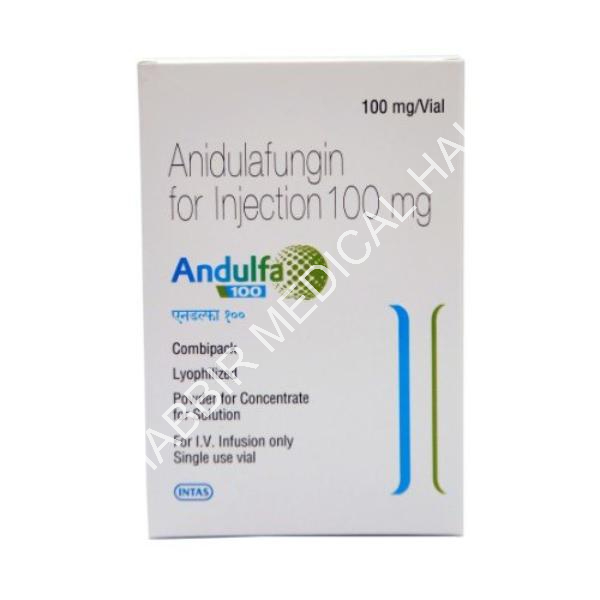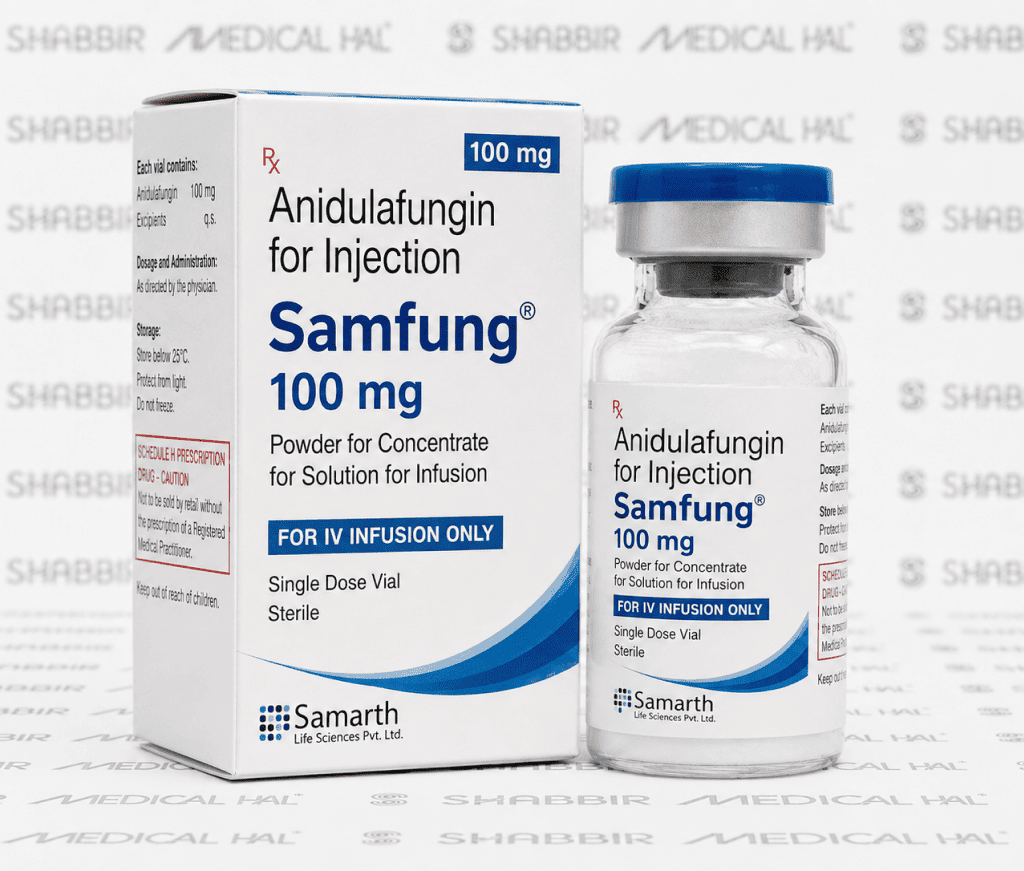


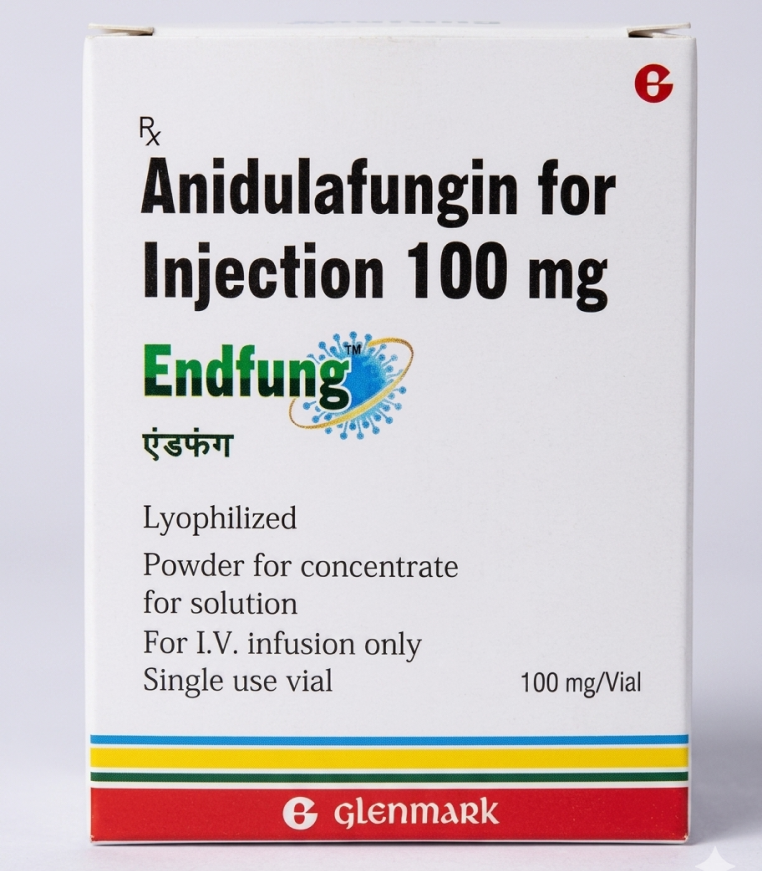
Endfung 100mg
 Item requires a valid prescription
Manufactured By Glenmark Pharmaceuticals Ltd
Composition Anidulafungin 100mg
RS 9204.00
MRP RS 15340.00
(40% OFF)
Includes all taxes
Package SIZE
( Vial )

100% Authentic
Products

Free
Shipping*

Products
Return Policy
Description:
Endfung 100mg Tablet(Abiraterone Acetate 250mg) is a potent androgen biosynthesis inhibitor manufactured by Glenmark Pharmaceuticals Limited, indicated for the treatment of metastatic castration-resistant prostate cancer (mCRPC) and metastatic high-risk castration-sensitive prostate cancer (mCSPC). It works by blocking CYP17, an enzyme critical for androgen (testosterone) production in the testes, adrenal glands, and prostate tumour tissue itself, thereby depriving prostate cancer cells of the hormones that drive their growth. Available from Shabbir Medical Hall at the best price in India, this genuine prescription tablet is available online with fast delivery nationwide.
BENEFITS: Endfung 100mg offers a highly targeted mechanism of androgen suppression beyond conventional androgen deprivation therapy (ADT). By inhibiting CYP17A1 (17α-hydroxylase/C17,20-lyase), it reduces testosterone and oestrogen production in all androgen-secreting tissues, including the tumour itself. Clinical trials (COU-AA-301 and COU-AA-302) demonstrated significantly improved overall survival, radiographic progression-free survival, and quality of life in patients with mCRPC. It is also approved in combination with enzalutamide-free regimens for mCSPC.
USAGE OVERVIEW: Endfung 100mg Tablets are taken orally, on an empty stomach (at least one hour before or two hours after food), as food significantly increases drug absorption and risk of side effects. The standard dose is 1,000 mg (four tablets of 250 mg) once daily, always used in combination with prednisone or prednisolone 5 mg twice daily to reduce mineralocorticoid excess side effects. Dosage and duration are strictly determined by the treating oncologist/urologist.
SAFETY OVERVIEW: The most common side effects include hypertension, hypokalaemia (low potassium), fluid retention, and elevated liver enzymes. Serious hepatotoxicity, adrenocortical insufficiency, and cardiac conditions have been reported. Regular blood pressure monitoring, liver function tests, and potassium checks are mandatory during therapy. This medicine is NOT for use in women or children.
Uses / Indications:
• Invasive Candidiasis (including Candidaemia): treatment of Candida bloodstream infections and deep tissue infections in non-neutropenic adult patients
• Oesophageal Candidiasis: treatment of Candida infections of the oesophagus in adults
ADDITIONAL USES:
• Empirical antifungal therapy in febrile neutropenic patients (in combination with other agents, per specialist protocol)
• Azole-refractory or azole-resistant Candida infections (C. glabrata, C. krusei)
• Salvage therapy in patients who have failed or are intolerant to fluconazole or voriconazole
Interactions / Warnings:
HEPATOTOXICITY WARNING:
- Liver function tests (ALT, AST, bilirubin) MUST be monitored every 2 weeks for the first 3 months, then monthly thereafter
- Endfung should be withheld or permanently discontinued if severe hepatotoxicity occurs
ADRENOCORTICAL INSUFFICIENCY:
- Risk increases if steroid (prednisone) is interrupted, reduced, or stopped — NEVER self-adjust steroid dose
- Supplemental corticosteroids may be required in periods of stress (surgery, infection)
CARDIOVASCULAR RISK:
- Use with caution in patients with cardiovascular disease, heart failure, or history of arrhythmia
- Monitor blood pressure, serum potassium, and fluid retention monthly
RENAL / HEPATIC IMPAIRMENT:
- Mild-moderate hepatic impairment: use with caution; no dose adjustment for mild impairment
- Severe hepatic impairment (Child-Pugh C): CONTRAINDICATED
- Renal impairment: use with caution; no specific dose adjustment required but limited data available
FOOD INTERACTION:
- Must be taken on an EMPTY STOMACH — food dramatically increases absorption and toxicity risk
DRIVING & MACHINERY:
- May cause fatigue and dizziness; assess personal response before driving
ELDERLY USE (>=65 years):
- Commonly used in elderly patients (prostate cancer typically affects older men); monitor cardiovascular and hepatic parameters closely
Pregnancy interaction:
• Anidulafungin has not been studied adequately in pregnant women; animal studies showed some embryo-foetal toxicity at high doses.
• Should NOT be used during pregnancy unless clearly necessary and the potential benefit justifies the potential risk.
• Women of childbearing potential must use effective contraception during treatment.
BREASTFEEDING:
• It is unknown whether anidulafungin is excreted in human breast milk.
• Breastfeeding is NOT recommended during treatment with Endfung 100mg.
CONTRACEPTION WARNING:
• Women of childbearing age should discuss contraceptive measures with their physician before starting treatment.
Expert advice:
1. HOSPITAL-ONLY IV ADMINISTRATION:
• Endfung 100mg MUST be administered intravenously by trained clinical staff in a hospital or clinical setting.
• It must NEVER be self-administered by the patient at home.
• Ensure correct reconstitution and dilution before infusion and strictly adhere to the maximum infusion rate of 1.1 mg/min to minimise infusion-related reactions.
2. LOADING DOSE IS MANDATORY:
• Always administer the correct loading dose on Day 1 (200 mg for invasive candidiasis; 100 mg for oesophageal candidiasis) before switching to the maintenance dose.
• Skipping the loading dose delays therapeutic plasma levels and reduces treatment efficacy.
3. MONITOR FOR INFUSION-RELATED REACTIONS:
• Histamine-mediated reactions (flushing, rash, urticaria, hypotension, dyspnoea) can occur during infusion.
• Have resuscitation equipment available.
• If a reaction occurs, slow or pause the infusion and manage symptoms as clinically indicated.
• Premedication with an antihistamine may be considered.
4. WATCH FOR HEPATOTOXICITY:
• Although rare, clinically significant hepatic dysfunction has been reported.
• Monitor liver function tests during prolonged courses.
• Instruct patient's caregivers to report any jaundice, dark urine, or severe abdominal pain immediately.
5. POTASSIUM MONITORING IS IMPORTANT:
• Hypokalaemia is among the more common adverse effects.
• Monitor serum potassium levels regularly, particularly in patients also receiving diuretics, corticosteroids, or amphotericin B.
• Replace potassium as clinically indicated.
MONITORING ADVICE:
• Liver Function Tests (ALT, AST, bilirubin): Baseline and periodically during prolonged therapy
• Serum potassium: Regular monitoring, especially in high-risk patients
• Blood pressure and heart rate: During and after infusion
• Blood cultures: Repeat to confirm clearance of candidaemia
• Clinical response assessment: Signs/symptoms of infection resolution at 5–7 days
• Complete Blood Count (CBC): Baseline and during prolonged courses
COMPLIANCE TIPS:
• Endfung 100mg is prepared and administered by hospital pharmacy/nursing staff — patient does not handle the vial
• Ensure vials are stored refrigerated (2–8°C) and checked for expiry before dispensing
• Use reconstituted/diluted solution within recommended timeframes — do not use beyond 48 hours at room temperature
• Document infusion time and any adverse reactions in the patient's medication record
• Ensure blood culture results are reviewed before altering or stopping therapy
• Communicate clearly with the treating infectious disease team about clinical response at 5–7 days
SAFETY TIPS:
• Do NOT administer as IV bolus — slow infusion is mandatory
• Do NOT mix with other medications in the same infusion line without compatibility data
• Pregnant or potentially pregnant nursing staff should avoid preparing and handling the vials; gloves recommended for all preparation
• Inform the clinical team of all co-medications — although CYP-independent, some pharmacodynamic interactions exist (e.g. cyclosporin, amphotericin B)
• Do NOT switch to oral azole therapy without first confirming susceptibility of the isolated Candida species and clinical stability
Side Effects:
• Hypokalaemia (low potassium) — weakness, cramps, palpitations
• Elevated liver enzymes (ALT, AST) — LFT monitoring recommended
• Nausea, vomiting, diarrhoea
• Infusion-related reactions: flushing, rash, urticaria, pruritus, dyspnoea, hypotension — infuse slowly
• Hypertension or hypotension
• Pyrexia (fever), headache
SERIOUS SIDE EFFECTS (contact your doctor immediately):
• Hepatotoxicity: jaundice, dark urine, severe right upper abdominal pain — monitor LFTs during therapy
• Severe hypersensitivity / anaphylaxis: bronchospasm, severe hypotension, angioedema — discontinue immediately
• Significant hypokalaemia with cardiac arrhythmia — ECG monitoring in at-risk patients
• Deep vein thrombosis (DVT) or coagulopathy — reported rarely
EMERGENCY SIGNS — SEEK IMMEDIATE MEDICAL HELP:
• Severe allergic reaction during or after infusion (chest tightness, breathing difficulty, throat swelling)
• Signs of severe liver injury: jaundice, clay-coloured stools, severe abdominal pain
• Significant cardiac rhythm changes or palpitations
How to use:
Invasive Candidiasis / Candidaemia:
• Day 1 (Loading Dose): 200 mg IV infusion once
• Day 2 onwards (Maintenance): 100 mg IV infusion ONCE DAILY
• Duration: At least 14 days after last positive blood culture / resolution of signs and symptoms
Oesophageal Candidiasis:
• Day 1 (Loading Dose): 100 mg IV infusion once
• Day 2 onwards: 50 mg IV infusion ONCE DAILY
• Duration: Minimum 14 days and for at least 7 days following resolution of symptoms
ROUTE OF ADMINISTRATION:
• Intravenous (IV) infusion ONLY — for hospital/clinical use
• Must be reconstituted with Water for Injections (WFI), then diluted in 0.9% Sodium Chloride or 5% Dextrose
• Infusion rate: Do NOT exceed 1.1 mg/minute (to minimise infusion-related reactions)
• Do NOT administer as IV bolus
TIMING:
• Administer at the same time each day, as directed by the clinical team
• Do NOT mix with other medications in the same IV line without compatibility confirmation
MISSED DOSE:
• Administered in hospital setting; missed doses managed by treating clinical team
STORAGE:
• Unreconstituted vials: Store at 2–8°C (refrigerate); do not freeze
• Reconstituted solution: Use within 24 hours at room temperature (not above 25°C)
• Diluted infusion solution: Use within 48 hours at room temperature or 72 hours refrigerated
• Keep out of reach of children
How it works:
Fungal cell wall synthesis is dependent on β-(1,3)-D-glucan, a polysaccharide polymer absent in mammalian cells.
Anidulafungin non-competitively inhibits β-(1,3)-D-glucan synthase (FKS enzyme complex), the enzyme responsible for glucan polymer synthesis in the fungal cell wall.
This results in:
• Disruption of fungal cell wall integrity and osmotic instability
• Cell lysis and fungicidal activity against most Candida species
• Selective toxicity (no mammalian β-(1,3)-D-glucan synthase target)
KEY ADVANTAGES:
• Fungicidal activity (not merely fungistatic) against Candida spp.
• Active against azole-resistant Candida (C. glabrata, C. krusei)
• No CYP enzyme metabolism — minimal drug-drug interactions
• Active against biofilm-embedded Candida
• Predictable pharmacokinetics with once-daily dosing
• Chemical degradation (not hepatic metabolism) — safe in hepatic impairment
Faq for medicine:
Endfung 100mg Injection (Anidulafungin 100mg) is used in hospital settings to treat invasive candidiasis, including candidemia and intra-abdominal infections caused by Candida species. It is an echinocandin antifungal administered intravenously to critically ill or immunocompromised patients who require systemic antifungal therapy.
2.How does Endfung 100mg differ from fluconazole in treating fungal infections?
Endfung 100mg (Anidulafungin) and fluconazole work through different mechanisms. Endfung inhibits fungal cell wall synthesis, while fluconazole disrupts ergosterol production in the cell membrane. Endfung is effective against fluconazole-resistant Candida strains, making it the preferred choice when azole resistance is suspected or confirmed.
3.Is Endfung 100mg safe for patients with liver impairment?
Endfung 100mg is considered relatively safe in patients with liver impairment because Anidulafungin undergoes slow chemical degradation rather than hepatic metabolism. No dose adjustment is required for hepatic impairment, making Endfung a suitable antifungal choice for patients with liver disease or those on hepatotoxic medications.
4.What is the loading dose protocol for Endfung 100mg injection?
The standard protocol for Endfung 100mg begins with a 200mg loading dose on Day 1, administered as an IV infusion, followed by 100mg once daily for the duration of treatment. This loading dose ensures rapid achievement of therapeutic drug concentrations, enabling quicker antifungal activity against invasive Candida infections.
5.Can Endfung 100mg be used in neonates or pediatric patients?
Endfung 100mg has limited data in neonates and is generally not approved for use in pediatric patients below a certain age threshold. Use in children requires a pediatric infectious disease specialist's evaluation. Anidulafungin pharmacokinetics in neonates differ significantly from adults, necessitating careful dose consideration.
6.What drug interactions should be considered with Endfung 100mg?
Endfung 100mg has a low potential for drug-drug interactions because Anidulafungin does not rely on cytochrome P450 enzymes for metabolism. No significant interactions have been identified with common medications. However, all concurrent medications should be reviewed by the treating physician, particularly in complex ICU patients.
Medicine interaction:
• Anidulafungin is NOT metabolised by CYP enzymes (CYP1A2, 2B6, 2C8, 2C9, 2C19, 2D6, 3A4) — very low risk of pharmacokinetic drug interactions
• Cyclosporin: may increase anidulafungin AUC modestly (~22%) — no dose adjustment needed but monitor
• Amphotericin B: additive antifungal effect in some Candida species — combined use per specialist protocol only
• Rifampicin (rifampin): mild induction effect — monitor clinical response; no proven interaction requiring dose adjustment
• No clinically significant interactions with azoles, tacrolimus, or voriconazole
VACCINE INTERACTIONS:
• Consult infectious disease specialist before any live vaccines in immunosuppressed patients
SUPPLEMENT INTERACTIONS:
• Always inform the clinical team of all supplements being taken — some may affect immune function or organ health